
The Ultimate Packing Guide for Canada & Alaska Cruises
Posted on 9th Nov, 2026
The Three-Layer Strategy: Why combining moisture-wicking thermals, insulating fleece, and a genuine waterproof jacket keeps you prepared for sudden weather shifts.
Footwear for Trails and Teak Decks: The ideal shoe combinations for timber boardwalks, active shore tours, and relaxed life on board.
Wildlife and Deck Essentials: What optical gear, camera accessories, and personal comforts you genuinely need for extended glacier viewing.
Packing for a cruise through Canada and Alaska is unlike preparing for any other voyage. While Mediterranean or Caribbean itineraries call for light linen and swimwear, an Alaskan adventure demands complete versatility.
Over the course of a single week, you might experience crisp morning fog in the Inside Passage, biting winds alongside towering tidewater glaciers, and brilliant sunshine as you explore historic frontier ports like Ketchikan or Juneau.

The secret to packing successfully for the northern wilderness is not cramming heavy winter overcoats into your luggage.
Instead, it requires a smart, adaptable wardrobe designed for outdoor exploration by day and classic cruise comfort by night.
The Three-Layer Rule for Wilderness Excursions
Weather along the Pacific Northwest and Alaskan coastline is famously changeable. Rather than wearing a single bulky winter coat that becomes cumbersome once the afternoon warms up, experienced cruisers rely on the three-layer method to stay comfortable throughout the day.

Your base layer sits directly against your skin to manage moisture. Pack two or three lightweight, breathable thermal tops and leggings made from merino wool or synthetic technical fabrics.
These trap your natural body heat while drawing perspiration away, ensuring you never feel damp during energetic rainforest walks or mountain hikes.
Over your thermals, add an insulating mid layer designed to trap warm air. Lightweight microfleece pullovers, fine-knit wool jumpers, or packable down gilets are ideal choices because they deliver substantial warmth without monopolising precious suitcase space.

Your final piece is the outer weather shield. A breathable, windproof, and genuinely waterproof jacket with an adjustable hood is the most critical item you will pack.
Coastal ports like Ketchikan and Prince Rupert sit within temperate rainforest zones where sudden showers are common, meaning shower-resistant coats simply will not suffice.
This three-part system allows you to adapt instantly, letting you shed a layer when the sun warms the afternoon or zip up tight when glacial winds pick up.
Choosing the Right Footwear
Between wet wooden boardwalks, gravel trails, and polished shipboard decks, selecting the right shoes will protect you from sore feet and slippery accidents ashore.
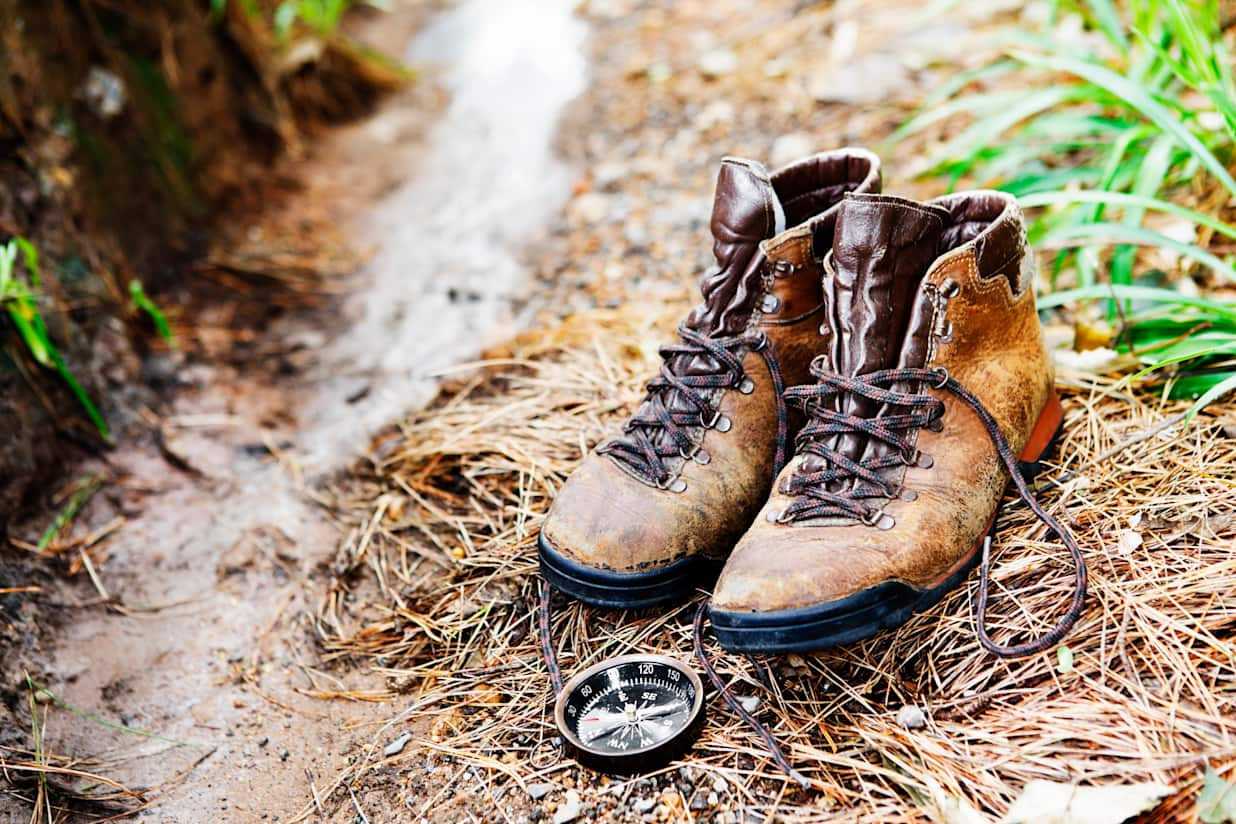
Leave heavy leather mountaineering boots at home unless you have booked strenuous backcountry expeditions. Instead, opt for a pair of sturdy, waterproof walking shoes or trail running trainers with deep rubber grip.
These are lightweight, quick to dry, and provide reliable traction when walking across damp timber boardwalks, wet tender platforms, and rugged coastal paths.

For life on board the ship, pack comfortable everyday trainers or slip-on deck shoes for navigating carpets, staircases, and lido decks on sea days.
In the evenings, ship dress codes still apply in the main dining rooms and speciality restaurants. One or two pairs of smart flats, loafers, or low, sturdy block heels are ideal. High stilettos can be awkward to walk in when the vessel encounters open-ocean swells.
Glacier Viewing and Wildlife Optics
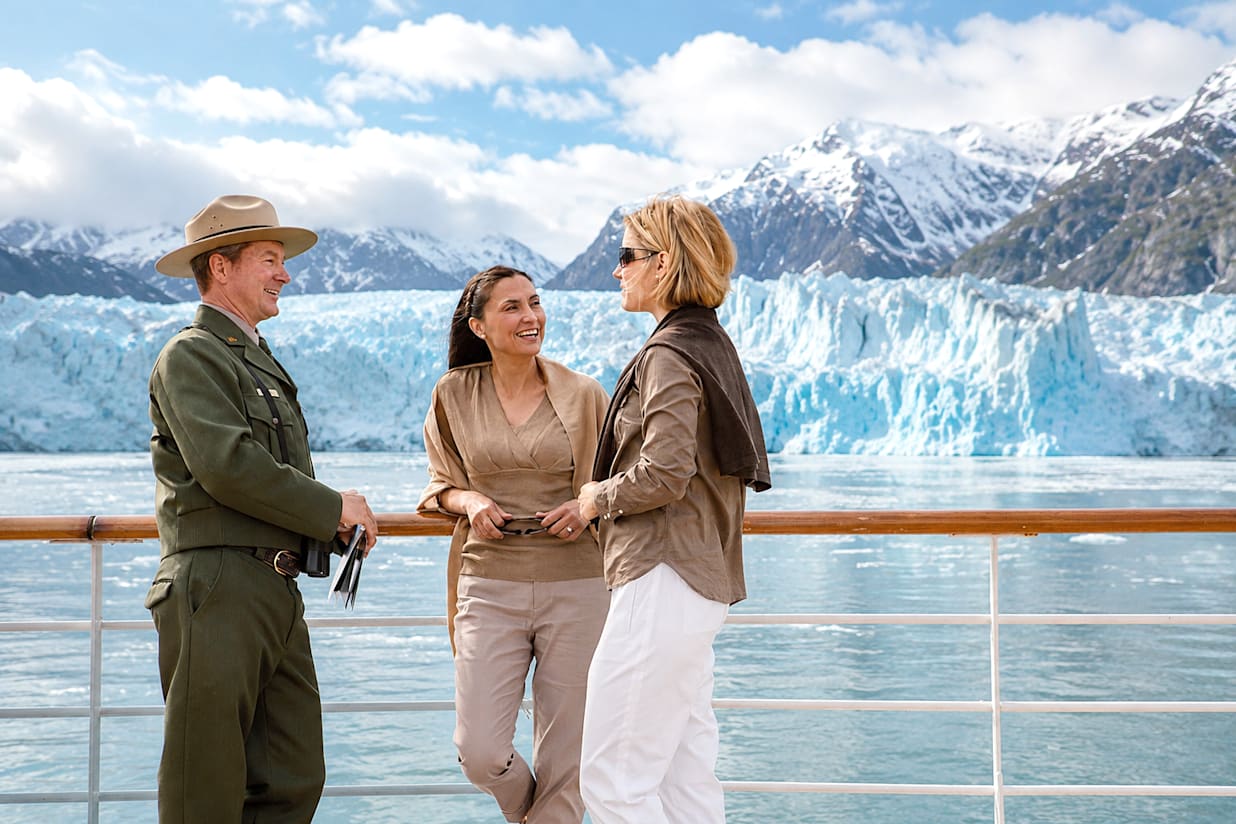
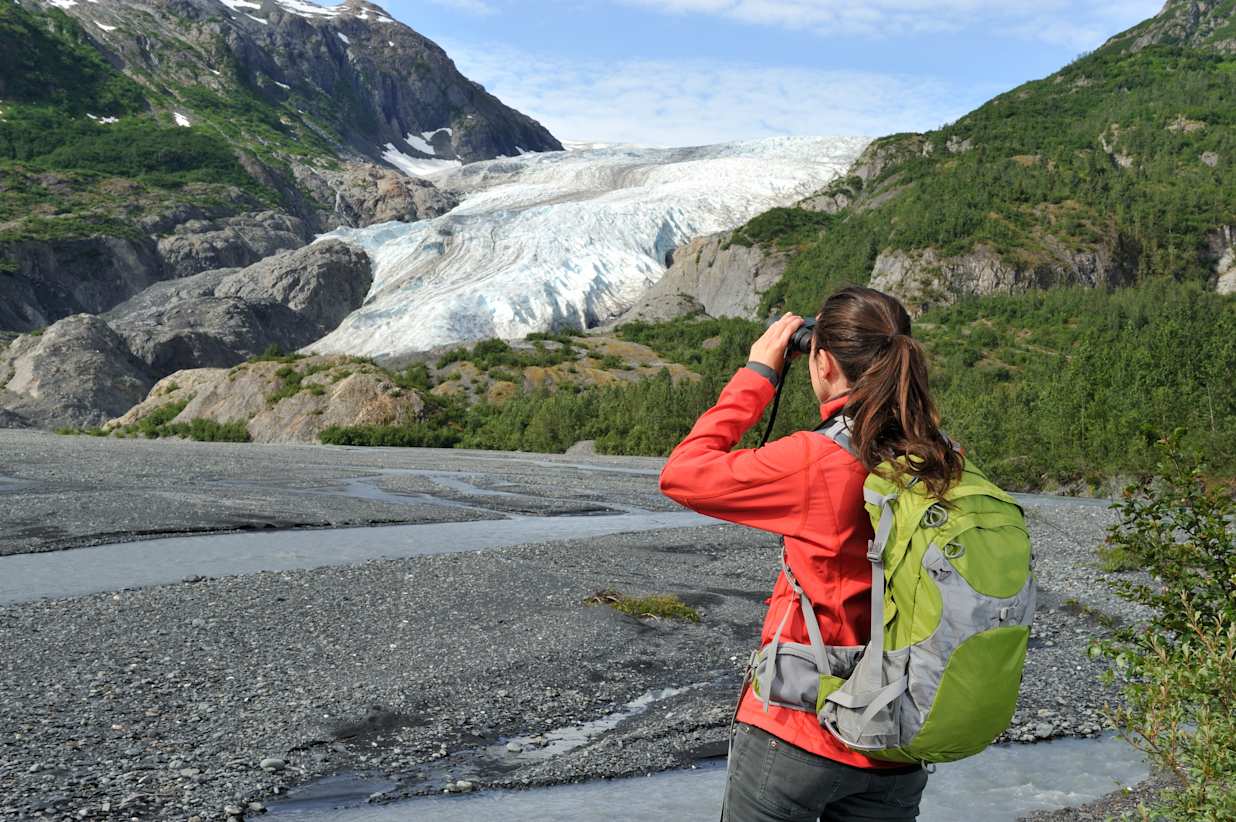
Cruising past Hubbard Glacier or spending an unhurried day inside Glacier Bay National Park is a headline moment of any Alaska voyage.
You will spend hours outside on the open observation decks or bow, where wind chill makes temperatures feel significantly colder than inland ports.

While ship bridges sometimes provide communal viewing scopes, carrying your own pair of compact 8x42 or 10x42 binoculars is invaluable.
They allow you to spot sea otters playing in kelp beds, breaching humpbacks, and mountain goats grazing along high cliffs without waiting your turn at the rail.
To stay comfortable on deck, bring a windproof fleece hat and a pair of gloves with touchscreen-compatible fingertips, allowing you to operate smartphones and camera screens without exposing your fingers to freezing winds.

Glacial ice and open water reflect sunlight with incredible intensity, so a pair of UV-blocking polarised sunglasses is essential to protect your eyes and reduce glare when scanning the sea.
Keep a compact portable power bank in your pocket as well, since sustained exposure to cold polar air drains camera and phone batteries far faster than normal.

Dressing for Sea Days and Evening Wear
While days ashore are casual and focused on outdoor adventure, evenings on board return to classic cruise elegance.
Daytime inside the ship remains relaxed. Comfortable jeans, chinos, casual shirts, and knitwear are standard while relaxing in panoramic observation lounges or browsing the library. Do not make the mistake of leaving your swimwear at home, either.
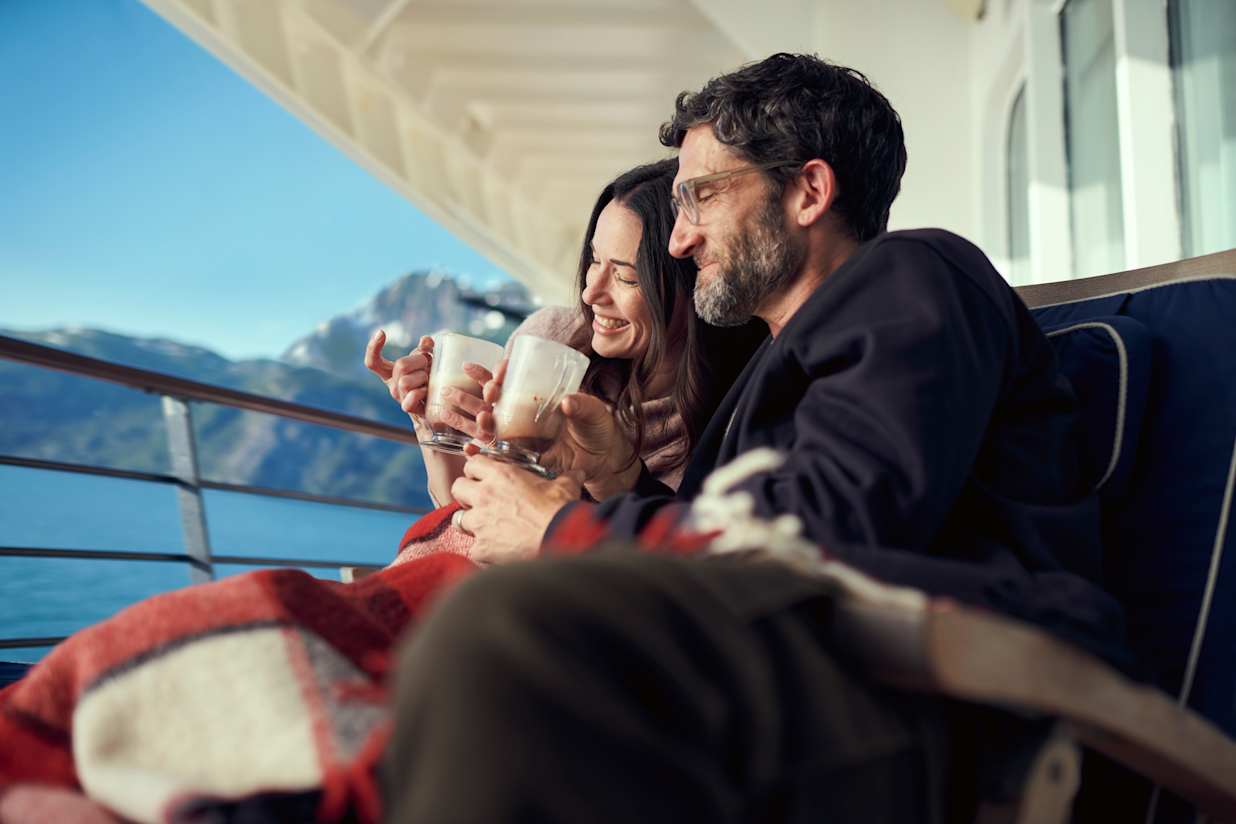
Soaking in a heated deck whirlpool with a warm drink while snow-dusted mountains glide past is one of the most memorable experiences of an Alaska cruise. Pack a warm fleece cover-up so you stay comfortable on your quick dash back into the heated interior.

When evening arrives, most seven-night itineraries feature one or two formal or dress-to-impress nights alongside several smart-casual evenings.
For formal occasions, dark lounge suits, cocktail dresses, or smart evening separates are popular. On smart-casual nights, tailored trousers, collared shirts, blouses, and neat knitwear are standard across all main restaurants.
Smart Cabin Additions
Life inside a cruise stateroom comes with unique spatial quirks, and a few small travel items can make your daily routine far smoother.
When you hand your large cases to the terminal porters in Vancouver or Seattle, your bags can take several hours to reach your cabin corridor.
Keep a small daypack with you containing your passports, boarding documents, daily medications, binoculars, and a warm fleece so you can head straight to the top deck and enjoy the sailaway without waiting for your luggage to be unpacked.

Most cabin walls are constructed from coated steel, meaning a pack of heavy-duty magnetic hooks creates instant vertical hanging space for wet waterproof jackets, daypacks, woolly hats, and ship lanyards.
Bringing an insulated travel flask allows you to take hot tea or fresh coffee from the buffet outside for extended morning glacier watches, while a rich moisturiser and nourishing lip balm will protect your skin against dry cabin air and biting sea breezes.
Embracing the Frontier in Comfort
Packing for an Alaskan voyage does not mean preparing for an endurance test. Cruising offers the rare luxury of exploring raw, untamed wilderness while returning each evening to heated staterooms, world-class restaurants, and welcoming lounges.
By focusing on high-performance layers, dependable waterproofs, and practical footwear, unpredictable weather shifts become part of the adventure rather than an obstacle.
You will be free to stand out on deck in total comfort, whether watching a towering glacier face thunder into the sea or admiring the quiet majesty of a misty fjord.
Author: Naomi Allen
Role: Junior Content Editor
Why book with Cruise.co.uk?
The cruise experts
- Established in 1984
- Your own dedicated expert cruise consultant
- Unrivalled cruise knowledge and unbiased advice
- Personal tailor-made service
Best price guarantee
- Early bird access to the best offers
- No hidden extras
- Best price reassurance with our Price Match Guarantee
- Low deposits and flexible payment options
Widest range of cruises
- Easy to find all the latest deals
- Exclusive range of curated Cruise & Stay holidays
- Choose Tailor-made or Bucket list Cruise & Stay Collections
- Escorted Tours Available
Book with confidence
- UK-based company
- Award-winning service
- Our customers have rated us 5‑star on Trustpilot
- ABTA / ATOL protected for your peace of mind
Get help from people who love to cruise
0800 408 6228Opening hours
| Mon - Sat | 9am - 10pm |
|---|---|
| Sun | 10am - 9pm |
Sign up for our newsletter
For further details, please read our privacy policy





Registered Office: Grosvenor House, Prospect Hill, Redditch, B97 4DL, UK Company Reg Number: 01827977 © 2026 Cruise.co.uk. All Rights Reserved