
The Best Things For Families To Do In The Canary Islands
Posted on 22nd Jan, 2026
Tenerife Thrills: Visit Siam Park, the world’s best waterpark, or take a cable car up Spain’s highest volcano.
Lanzarote’s Moon: Show the kids real-life geysers and ride camels across the volcanic landscapes of Timanfaya.
Gran Canaria’s Dunes: Explore the mini-Sahara of Maspalomas and spot dolphins in the wild.
Cruising to the Canary Islands is a rite of passage for British families. With year-round sunshine, short flight times (or no flights at all if sailing from Southampton!), and a reputation for safety, it is the perfect playground for all ages.
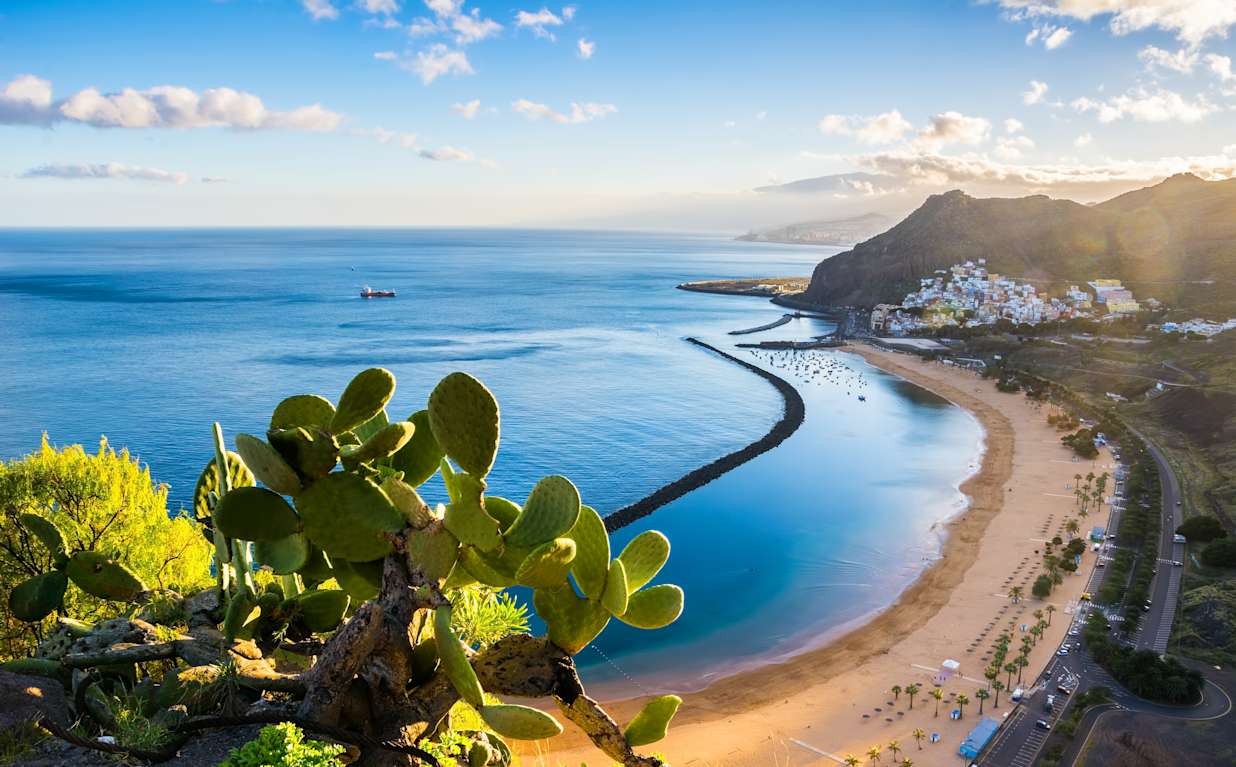
But beyond the hotel pools and golden beaches, these volcanic islands are bursting with adventures that will keep toddlers, teens, and parents equally entertained.
Whether you are docking for the day or spending a few nights in port, here are the unmissable experiences for families in the Canaries.

Tenerife
Conquer the Volcano
Mount Teide is not just the highest peak in Spain; it is an active volcano that dominates the island of Tenerife.
While hiking to the summit might be too much for little legs, the Teide Cable Car makes the ascent easy and exciting.
Why kids love it: The cable car ride offers jaw-dropping views above the clouds. At the top, the landscape looks like Mars, providing plenty of "wow" moments and photo opportunities.

Splash Out at Siam Park
Regularly voted the number one water park in the world, Siam Park in Costa Adeje is non-negotiable for thrill-seekers.
This Thai-themed kingdom features adrenaline-pumping slides like the Tower of Power, but also caters to younger children with "The Lost City" - a massive fortress with gentle slides and water tippers.
Family Highlight: The Wave Palace features the highest artificial waves in the world, perfect for jumping over or surfing!

Lanzarote
Witness the Fire Mountains
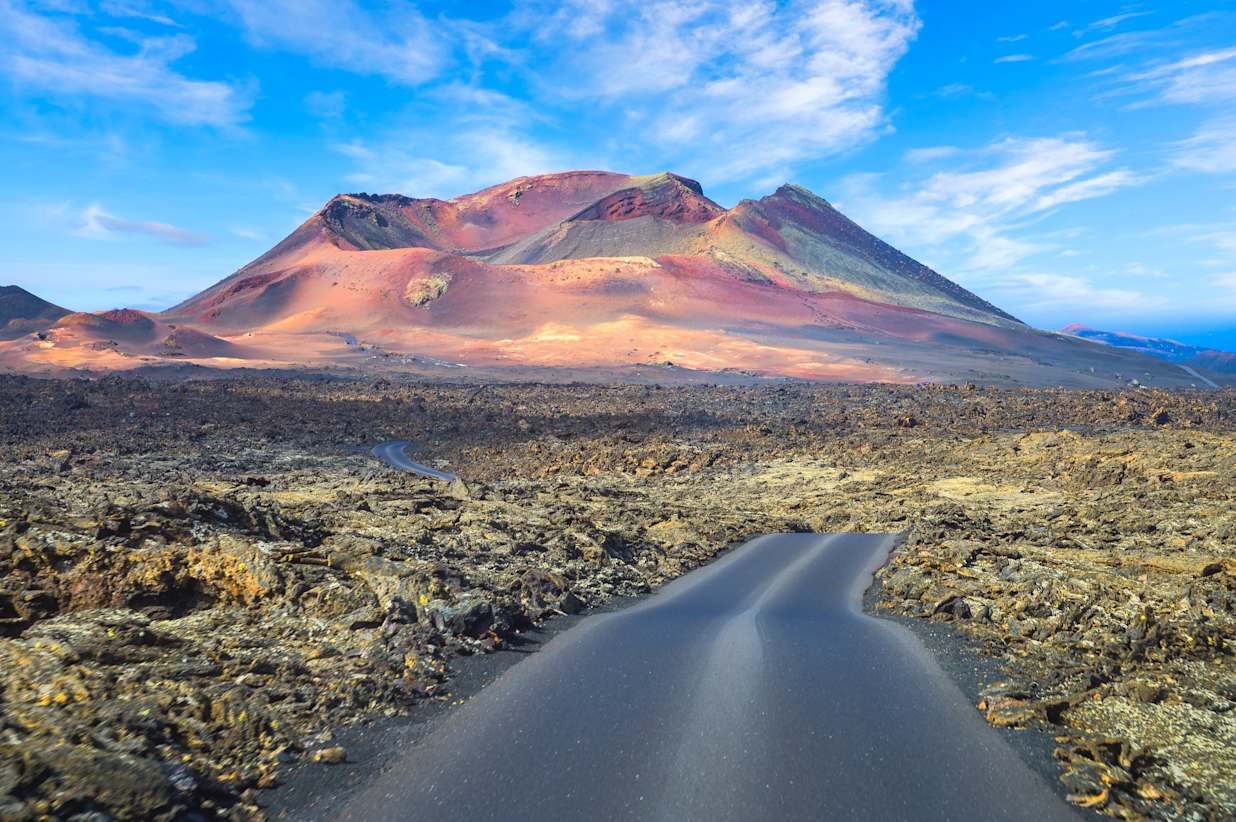
Lanzarote feels like another planet, and nowhere is this more evident than Timanfaya National Park. A shore excursion here is a geography lesson come to life.
The "Magic" Tricks: Park guides perform live demonstrations that always delight children. Watch them pour water into a hole in the ground, only for it to explode seconds later as a steam geyser due to the geothermal heat below. They also throw dry bush into a pit, which instantly bursts into flames.
Camel Rides: For a unique mode of transport, take a bumpy but hilarious camel ride across the volcanic dunes.
Explore the Caves of Jameos del Agua
Designed by local artist César Manrique, this is a cultural centre built inside a lava tunnel. It is magical, atmospheric, and home to a unique species.
Spot the Crabs: The underground saltwater lake is home to thousands of tiny, blind albino crabs. They shine like stars in the water, and kids love trying to spot them in the darkness.

Gran Canaria
Roam the Dunes of Maspalomas
You don’t need to go to Africa to see the desert. On the southern tip of Gran Canaria lies Maspalomas, a 400-hectare nature reserve of rolling sand dunes against the backdrop of the deep blue Atlantic.
The Adventure: It is a giant sandbox. Families can walk along the marked trails, roll down the sandy hills, or take spectacular photos that look like you are in the middle of the Sahara.

Dolphin Watching in the Wild
The waters between Gran Canaria and Tenerife are some of the best in the world for spotting cetaceans. Many boat tours guarantee sightings of pilot whales and bottlenose dolphins which live in these waters year-round.
Why it’s better: Seeing these majestic creatures in their natural habitat, playing in the bow waves of the boat, beats an aquarium visit any day. Many catamarans offer glass bottoms, so you can see the action underwater too.

Fuerteventura
Find "Popcorn Beach"
Fuerteventura is famous for its endless white beaches (like those at Corralejo), but for something quirky, head to the north of the island near Corralejo.
The Quirk: Instead of sand or pebbles, the beach is covered in white rhodoliths (fossilised algae) that look exactly like popcorn. It is a fun, novelty photo opportunity that Instagram-loving teens will appreciate.

La Palma
Reach for the Stars
Known as La Isla Bonita, La Palma is a UNESCO Starlight Reserve. Because of its strict light pollution laws, it has some of the darkest skies in Europe.
Educational Fun: If your ship stays late in port, look for a stargazing excursion. With professional telescopes and guides, you can see the rings of Saturn, craters on the moon, and distant galaxies with crystal clarity.

From the fiery mountains of Lanzarote to the starry skies of La Palma, the Canary Islands offer a safe, sunny, and spectacular environment for families to explore together.
Whether you are seeking high-adrenaline thrills or quiet moments in nature, these islands promise a shore excursion that every member of the family will remember for years to come.
Frequently Asked Questions
1. What is the best time of year to visit the Canary Islands with family?
The Canaries are known as the "Islands of Eternal Spring," meaning they are a fantastic year-round destination. For families, the winter months (October to March) are particularly popular as they offer warm sunshine (averaging 20-22°C) without the intense heat of the Mediterranean summer, making it comfortable for active kids.
2. Are the beaches safe for swimming?
Yes, most resort beaches in the Canary Islands are excellent for families, with golden sand and lifeguards on duty. However, the Atlantic Ocean can sometimes have strong currents. Always look for the Blue Flag status and pay attention to the warning flags (green for safe, red for danger) before letting children swim.
3. Is it easy to get around with a pushchair?
Generally, yes. The main promenade areas in ports like Santa Cruz (Tenerife) and Las Palmas (Gran Canaria) are flat and paved. However, be aware that excursions to volcanic areas (like Timanfaya) or old towns with cobblestones may be bumpy or inaccessible for buggies.
4. What should we pack for excursions?
Even if it is sunny at the beach, high-altitude areas like Mount Teide can be freezing cold, so always pack layers and a light jacket. High SPF sunscreen is essential year-round as the sun is strong, and sturdy trainers are a must for walking on volcanic rock.
5. Are there age restrictions for the top attractions?
Most sights are family-friendly, but there are exceptions. For example, children under 3 years old are usually not permitted on the Mount Teide Cable Car for health reasons due to the altitude. Similarly, the biggest slides at Siam Park have height restrictions, though there are plenty of dedicated areas for smaller children.
Author: Naomi Allen
Role: Junior Content Editor
Why book with Cruise.co.uk?
The cruise experts
- Established in 1984
- Your own dedicated expert cruise consultant
- Unrivalled cruise knowledge and unbiased advice
- Personal tailor-made service
Best price guarantee
- Early bird access to the best offers
- No hidden extras
- Best price reassurance with our Price Match Guarantee
- Low deposits and flexible payment options
Widest range of cruises
- Easy to find all the latest deals
- Exclusive range of curated Cruise & Stay holidays
- Choose Tailor-made or Bucket list Cruise & Stay Collections
- Escorted Tours Available
Book with confidence
- UK-based company
- Award-winning service
- Our customers have rated us 5‑star on Trustpilot
- ABTA / ATOL protected for your peace of mind
Get help from people who love to cruise
Opening hours
| Mon - Sat | 9am - 10pm |
|---|---|
| Sun | 10am - 9pm |
Sign up for our newsletter
For further details, please read our privacy policy





Registered Office: Grosvenor House, Prospect Hill, Redditch, B97 4DL, UK Company Reg Number: 01827977 © 2026 Cruise.co.uk. All Rights Reserved