
Quack-ing the Code: Inside the Secret Scavenger Hunt Taking Over the High Seas
Posted on 6th May, 2026
The Ultimate Sea-Day Scavenger Hunt: Discover how a simple act of kindness evolved into a worldwide phenomenon where passengers hide and hunt for rubber ducks across the fleet.
Finders Keepers (Or Not): Learn the golden rule of the game—whether to keep your new feathered friend as a souvenir or keep the magic alive by re-hiding it for another guest.
The Hider’s Handbook: Navigate the essential etiquette of duck-hiding, from crafting the perfect "passport" tag to ensuring your flock stays safely within the ship's interior.
If you have walked through the corridors of a modern cruise ship recently, you might have noticed something a little unusual.
Tucked into the corner of a lift, sitting atop a fire extinguisher, or peeking out from a library shelf, small rubber ducks are becoming a common sight at sea.
What started as a small gesture of kindness has evolved into a massive, worldwide scavenger hunt that spans across almost every major cruise line.

How the Cruise Duck Tradition Began
The phenomenon of "cruising ducks" is a relatively recent addition to maritime culture. While its exact origins are often debated, most enthusiasts point toward a young girl named Abby who hid a handful of ducks on a cruise in 2018.
Her goal was simple: to bring a smile to the faces of her fellow passengers. The idea caught on almost instantly, fueled by social media groups where finders would post photos of their "quacky" discoveries.
Today, there are dedicated online communities with hundreds of thousands of members who track their ducks as they travel from ship to ship and ocean to ocean.
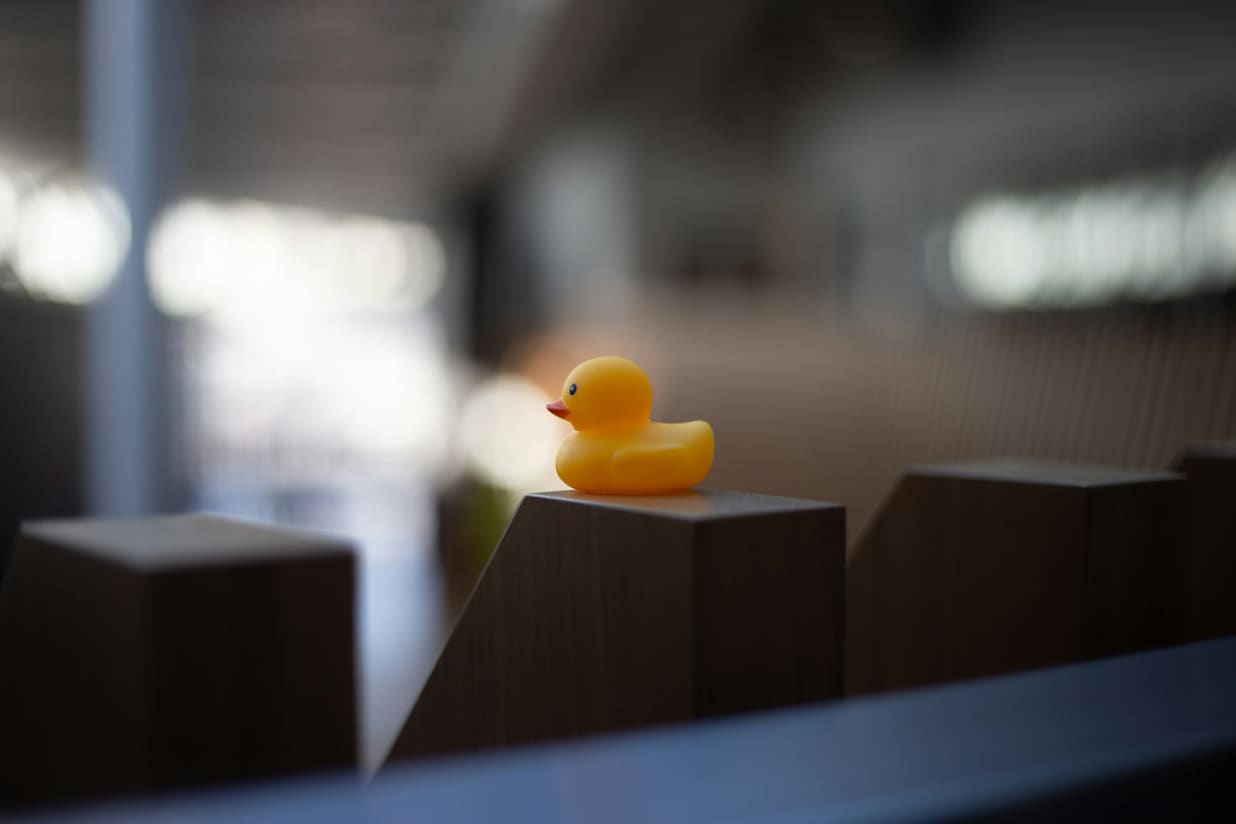
The Basic Rules of the Game
Partaking in the cruise duck tradition is incredibly straightforward, which is part of its universal appeal. If you find a duck, you are faced with a delightful choice.
You can choose to keep the duck as a memento of your holiday, or you can "re-hide" it in a new location for someone else to discover.
The joy of the hunt is entirely inclusive; it is just as common to see a seasoned solo traveller celebrating a find as it is to see a toddler clutching their first rubber companion.
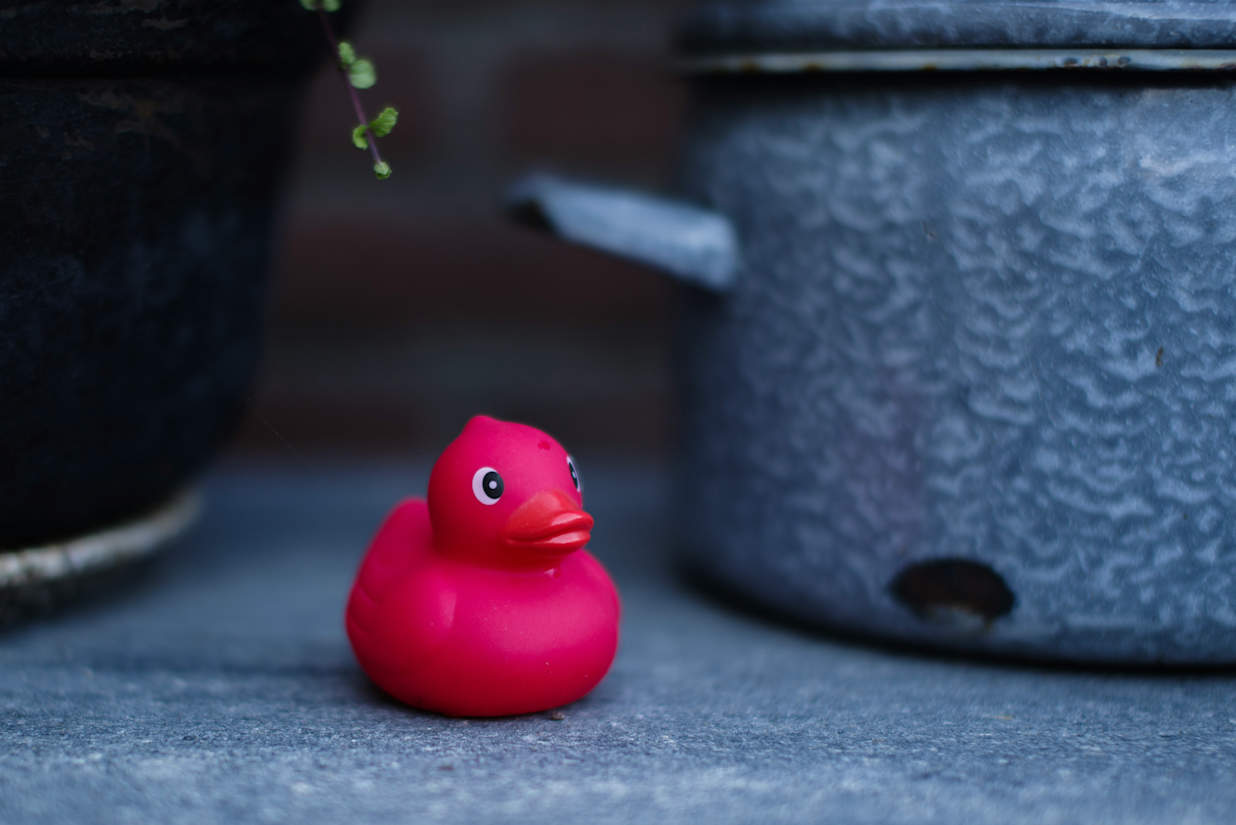
The Art of the Tag
For many enthusiasts, the duck itself is only half the fun. To truly participate in the community, hiders create "passports" or tags that are attached to the duck with a waterproof ribbon or elastic.
A standard tag typically includes the hider's name, their hometown, the name of the ship, and the sailing dates.
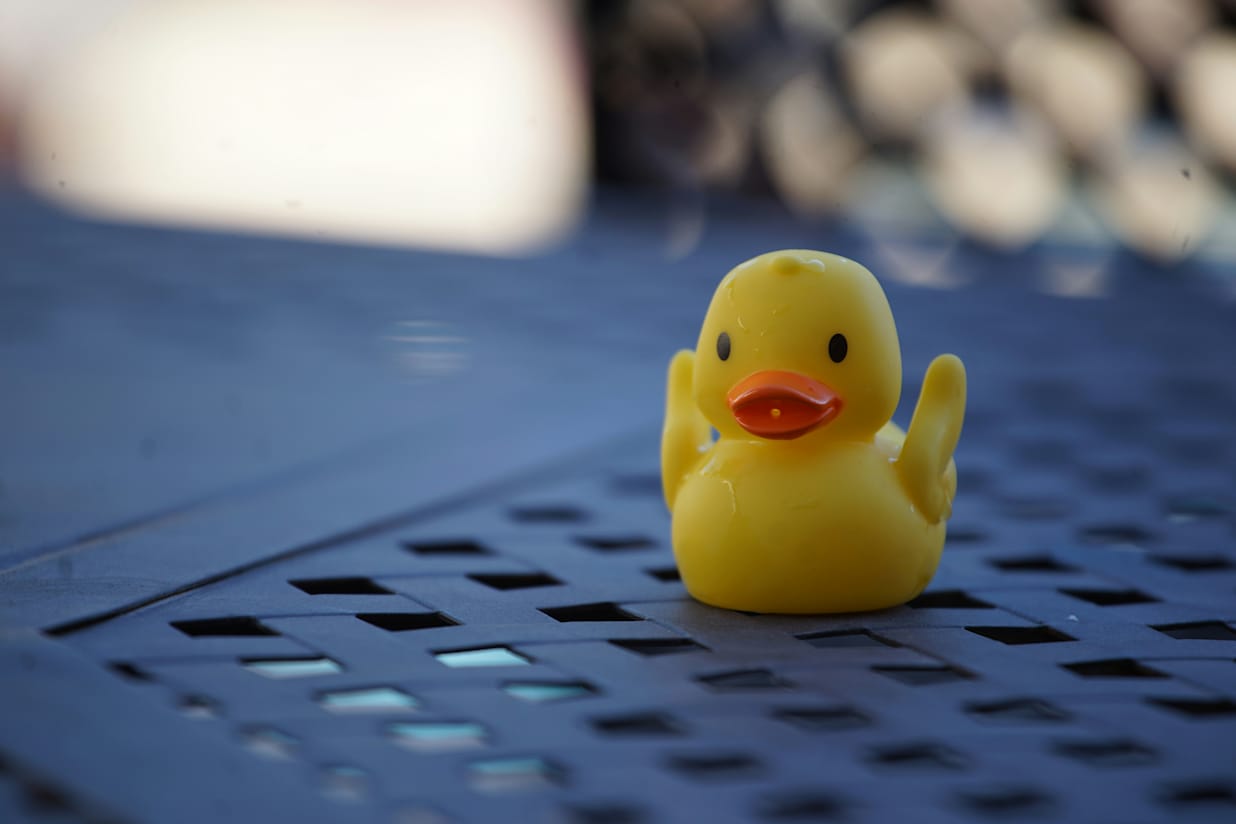
Many tags also include a clever phrase like "Oh Quack! You found me!" and instructions on which social media group to visit to post a "found" photo.
This allows the original hider to see how far their duck has travelled, with some ducks successfully crossing the Atlantic several times as they are re-hidden by successive finders.
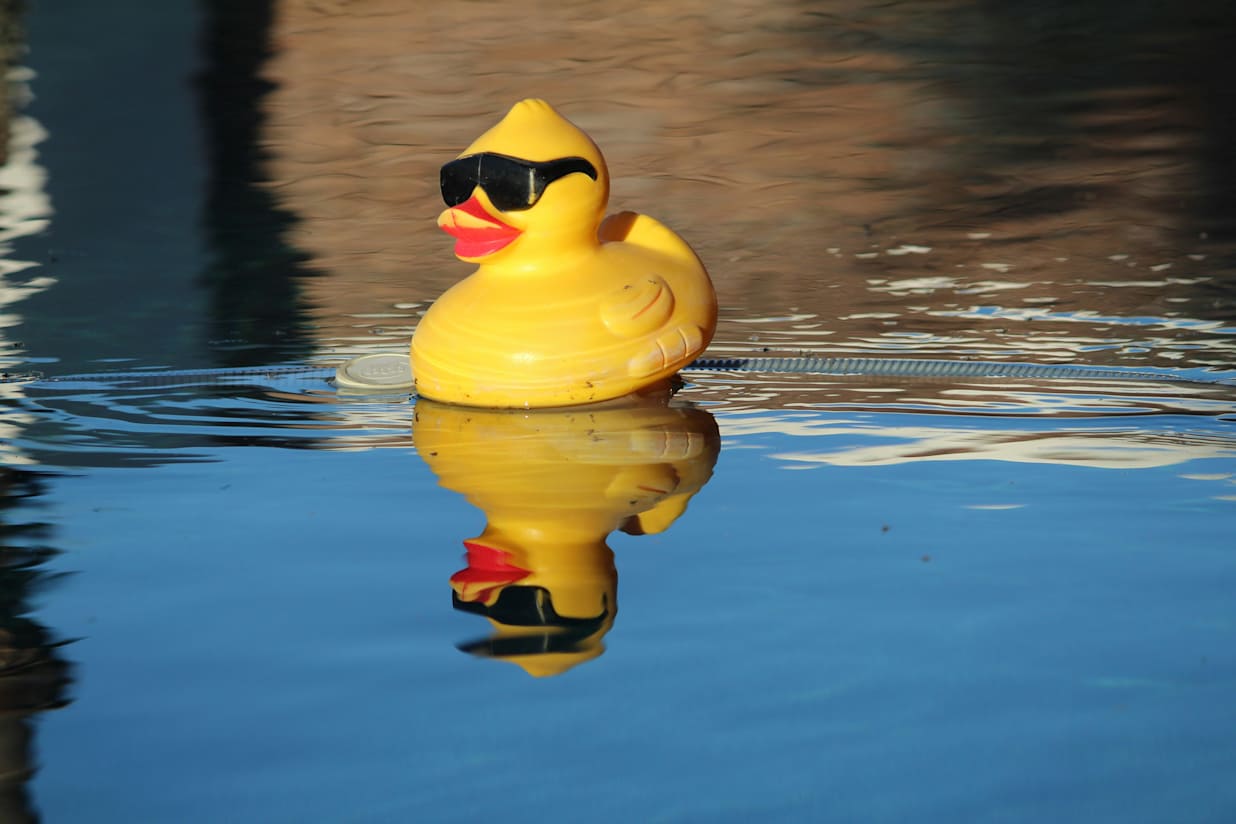
A Flock of Infinite Varieties
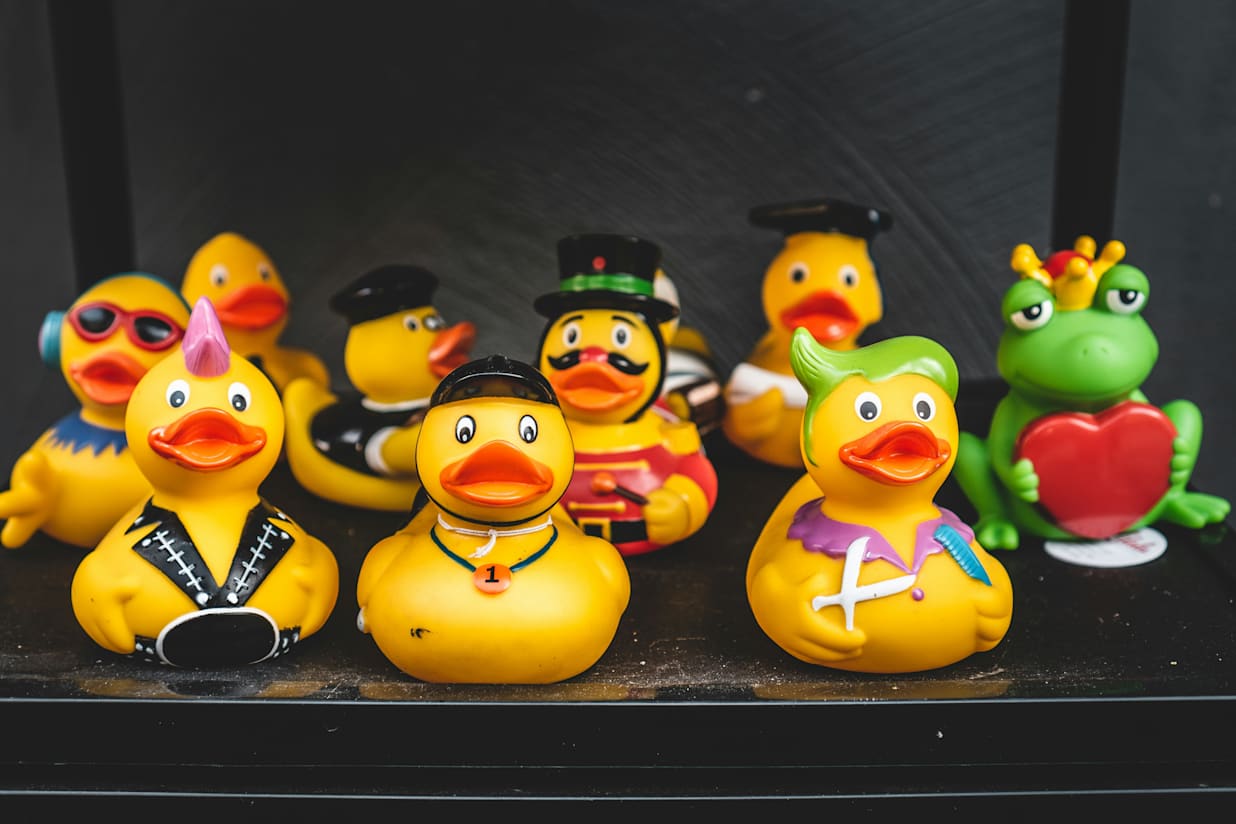
As the tradition has grown, so has the creativity of the ducks being hidden. You are no longer limited to the classic yellow rubber toy.
Cruisers now hide ducks themed as pirates, mermaids, and even miniature versions of the ship’s captain. Some members of the community have taken to 3D-printing their own unique designs, while others hand-paint wooden ducks to make them truly one-of-a-kind.
These "special edition" ducks are highly sought after by collectors who aim to find the most unique members of the flock during their time on board.
The Hider’s Code of Etiquette
While the game is all about fun, there is a dedicated code of etiquette to ensure the ducks remain a positive addition to the cruise experience.
Hiders are careful to keep ducks away from the onboard shops to avoid any confusion with merchandise. They also avoid pools and hot tubs for hygiene reasons.
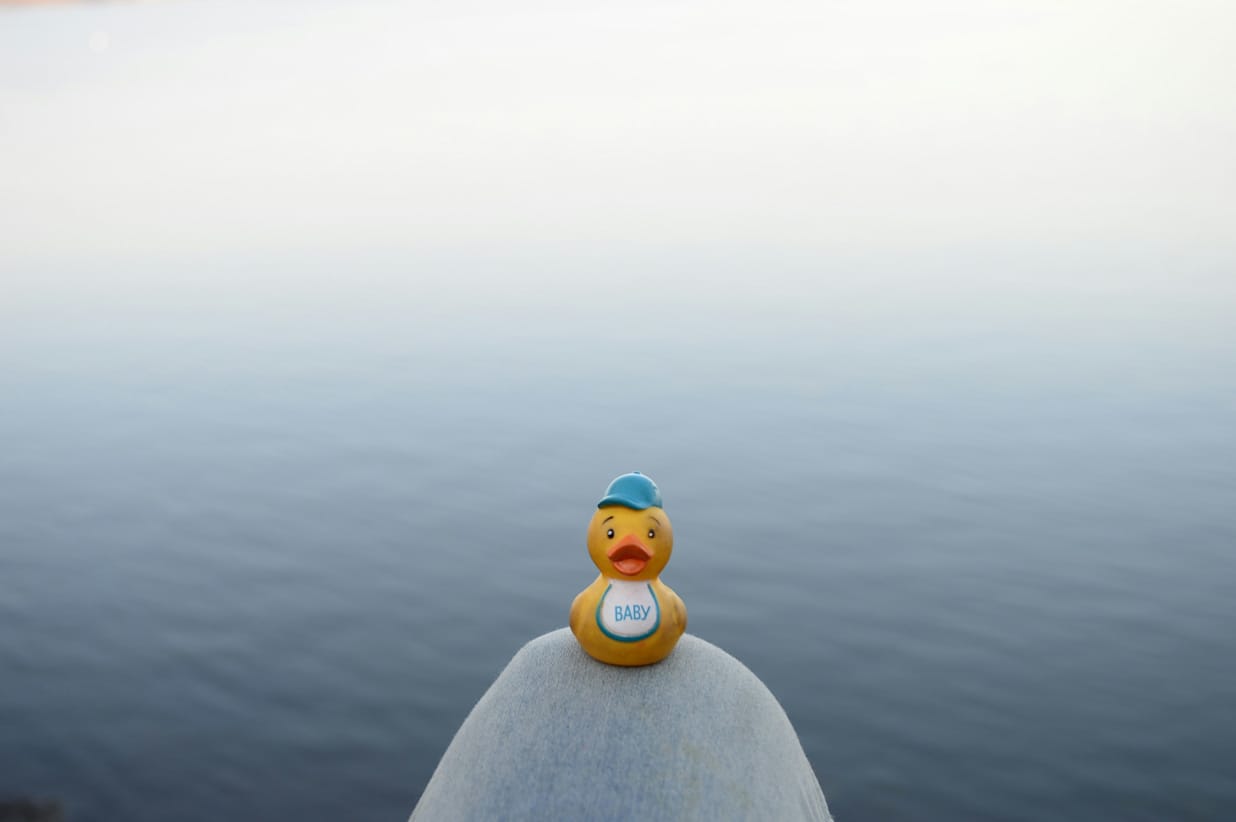
The most important rule is the environmental one: ducks should never be hidden in outside areas where they could be blown into the ocean.
By sticking to the ship’s interior public spaces, hiders ensure the tradition remains eco-friendly and enjoyable for everyone, including the hard-working crew members who often help move the ducks to better hiding spots.
The Best Cruise Lines for Duck Hunting
While you can find hidden treasures on almost any vessel, certain cruise lines have embraced the "quack" more than others. Carnival Cruise Line is widely considered the spiritual home of the movement; their "Fun Ships" are often teeming with ducks of all shapes and sizes.
 images/Exterior/CL_Carnival_Jubilee_NY-2695_Ship_01_300DPI_V6)
Royal Caribbean is another heavyweight in the world of duck hunting. Their massive Oasis-class ships offer an almost infinite number of clever hiding spots, from the lush greenery of Central Park to the bustling Boardwalk.

For British cruisers, P&O Cruises has seen a massive surge in duck activity over recent years. Ships like Iona and Arvia provide the perfect modern backdrop for this whimsical game, and it is not uncommon to find ducks dressed in Union Jack waistcoats or sailor hats.

Disney Cruise Line also boasts a very dedicated community of hiders who often create bespoke, character-themed ducks that are highly prized by finders. If you are sailing on these lines, your chances of spotting a feathered friend are significantly higher.

A Small Gesture With a Big Impact
At its heart, the cruise duck phenomenon is about more than just rubber toys; it is about the sense of community and the unexpected moments of joy that make cruising so unique.
Whether you are meticulously planning your own "flock" or simply stumble upon a hidden treasure on your way to dinner, it is a delightful reminder of the friendly spirit found on the high seas.
So, keep your eyes sharp on your next voyage, you never know who might be waiting to meet you in a quiet corner of the ship.
Author: Naomi Allen
Role: Junior Content Editor
Why book with Cruise.co.uk?
The cruise experts
- Established in 1984
- Your own dedicated expert cruise consultant
- Unrivalled cruise knowledge and unbiased advice
- Personal tailor-made service
Best price guarantee
- Early bird access to the best offers
- No hidden extras
- Best price reassurance with our Price Match Guarantee
- Low deposits and flexible payment options
Widest range of cruises
- Easy to find all the latest deals
- Exclusive range of curated Cruise & Stay holidays
- Choose Tailor-made or Bucket list Cruise & Stay Collections
- Escorted Tours Available
Book with confidence
- UK-based company
- Award-winning service
- Our customers have rated us 5‑star on Trustpilot
- ABTA / ATOL protected for your peace of mind
Get help from people who love to cruise
Opening hours
| Mon - Sat | 9am - 10pm |
|---|---|
| Sun | 10am - 9pm |
Sign up for our newsletter
For further details, please read our privacy policy





Registered Office: Grosvenor House, Prospect Hill, Redditch, B97 4DL, UK Company Reg Number: 01827977 © 2026 Cruise.co.uk. All Rights Reserved