
Porto Uncorked: Our Ultimate Guide to Exploring the Douro’s Crown Jewel
Posted on 29th Apr, 2026
The Two Sides of the Douro: Porto and Vila Nova de Gaia are distinct cities separated by the river. Porto acts as the historic, bustling heart, while Gaia serves as the legendary home of the Port wine cellars.
Master the Terrain: Porto is famously hilly and steep, so be sure to utilise the Funicular dos Guindais and the Metro’s yellow line to save your legs while still catching the best panoramic views.
Savour the Local Flavours: Don't leave without a tasting! From a refreshing Porto Tónico on a sunny terrace to a warm Pastel de Nata, the city’s culinary scene is as rich as its history.
One of the greatest joys of a Douro river cruise is the moment your ship glides into the heart of Porto. Rising dramatically from the riverbanks, this UNESCO World Heritage city is a vertical masterpiece of azulejo-tiled churches, medieval alleys, and terracotta rooftops.
Whether you’re a history buff, a foodie, or simply there for the world-famous fortified wine, Porto delivers an intoxicating blend of old-world charm and vibrant modern culture.
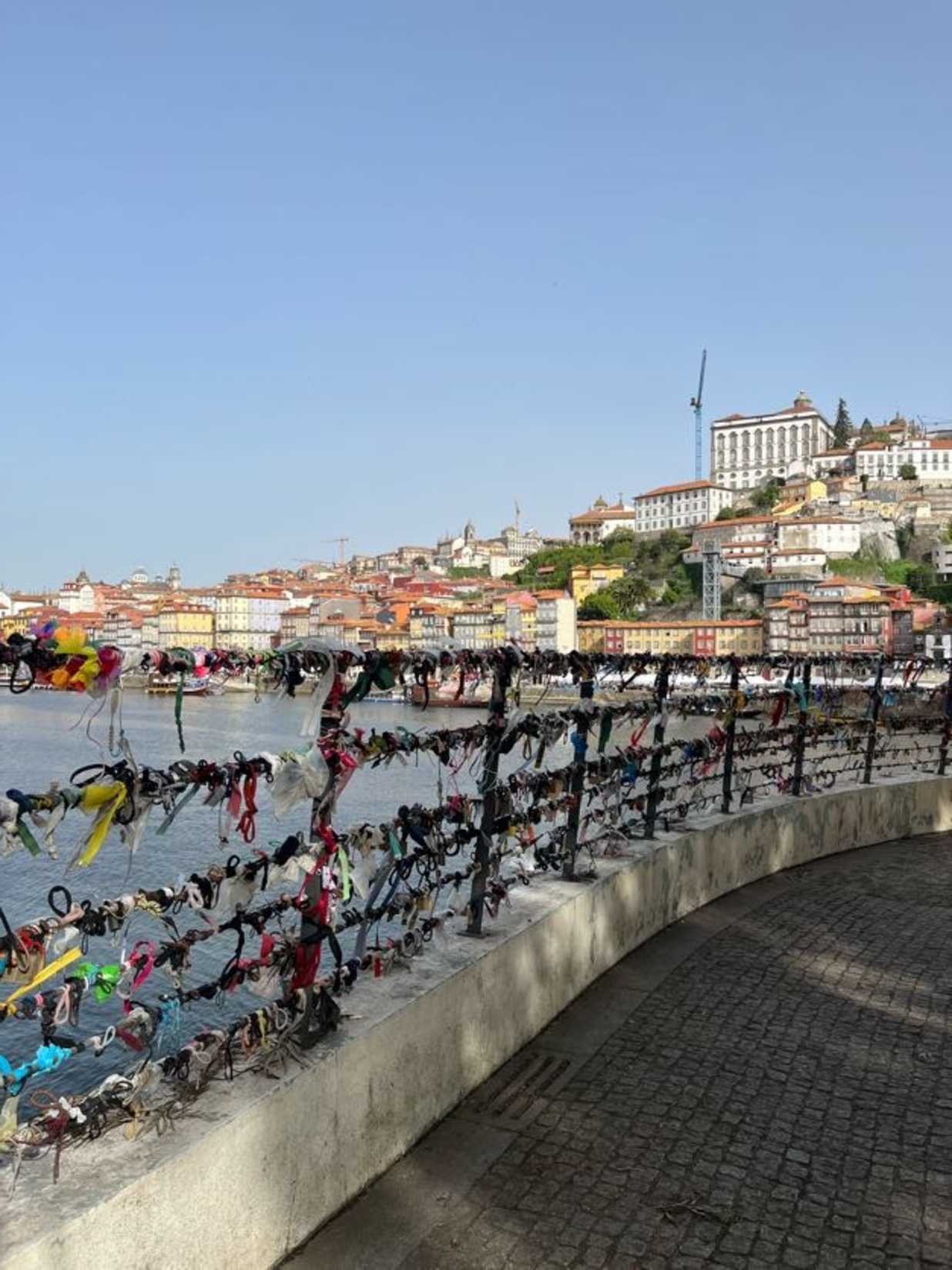
The City of Granite and Gold
Built into the steep granite cliffs overlooking the Douro River, Porto is a city defined by its layers. This isn't a city designed on a grid; it is a labyrinthine marvel where medieval walls meet Baroque finery.
As your river cruise ship docks, you’ll immediately notice the Ribeira district, the city's oldest soul. Here, tall, narrow houses painted in ochre and pastel blues lean against one another, their balconies draped with laundry and flower boxes, creating a lived-in museum atmosphere.

Porto’s landscape is famously vertical. It is a city that requires a good pair of walking shoes, but every arduous climb is rewarded with a miradouro (viewpoint) that looks like a postcard come to life.
The city’s history as a merchant hub is evident in its grand architecture, but it’s the "hidden" Porto (the tiny wine bars tucked into alleyways and the smell of grilled sardines in the air) that truly captures the heart of every visitor.

Crossing the Divide: Porto vs. Vila Nova de Gaia
While they look like one continuous metropolis linked by iron bridges, the Douro River actually separates two different municipalities with very different personalities.
Understanding the distinction is key to navigating your time ashore effectively.

Porto (The North Bank)
This is the "proper" city. It’s home to the major shopping streets like Rua de Santa Catarina, the iconic São Bento railway station, and the soaring Clerigos Tower. It is dense, historic, and buzzing with the energy of local Portuguese life.

Vila Nova de Gaia (The South Bank)
Historically, this was where the wine went to sleep. Because Gaia faces north, it stays cooler- perfect for ageing Port wine in the dark, damp warehouses known as "lodges." Today, Gaia is a sophisticated hub of tourism, offering the most famous views of Porto’s skyline.

The Icon: Ponte de Dom Luís I
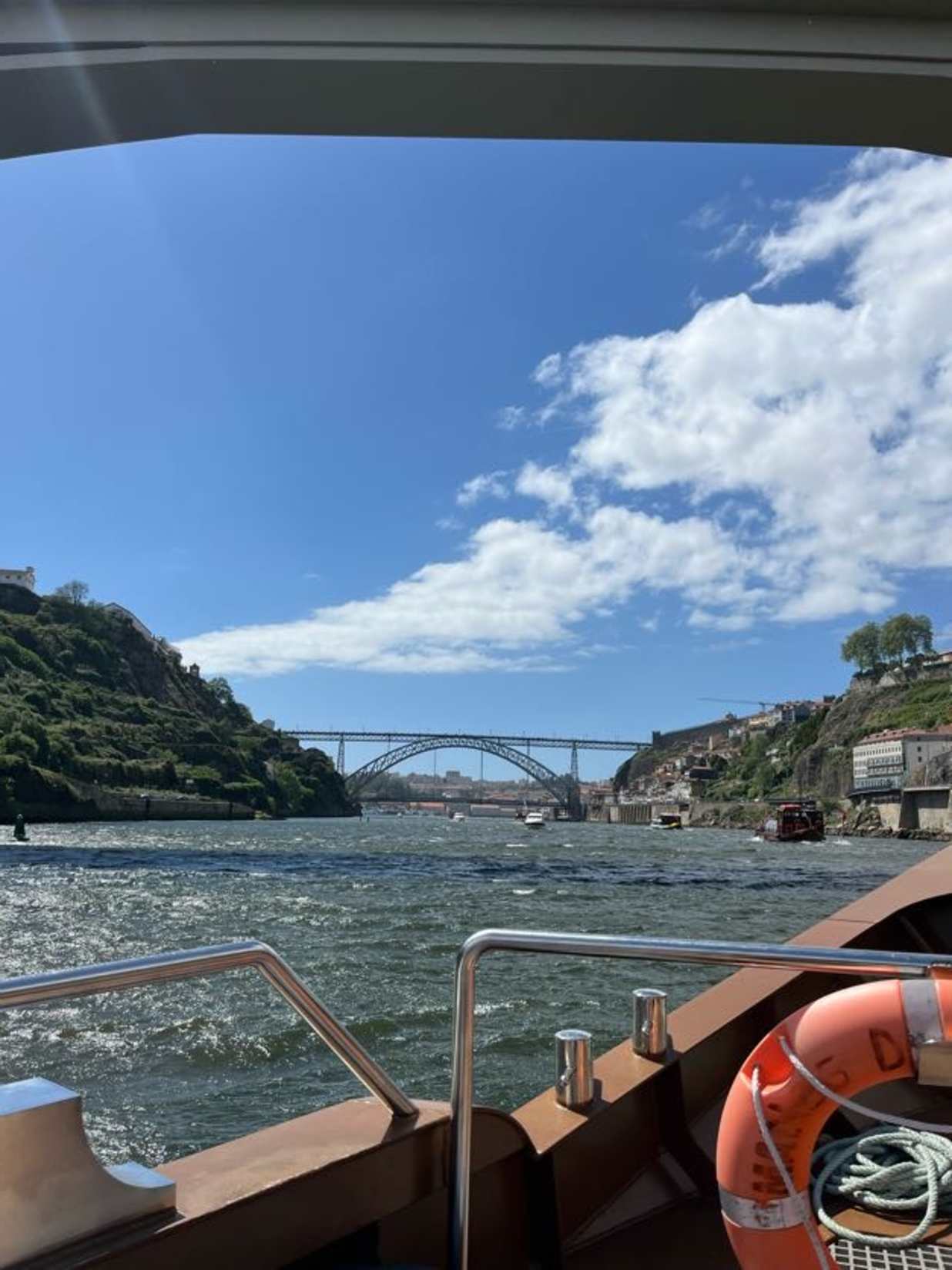
No landmark defines the Porto skyline quite like the double-decker Dom Luís I Bridge. Designed by Teófilo Seyrig, a disciple of Gustave Eiffel, this iron bridge is a feat of 19th-century engineering that remains the city's functional pulse.

The Lower Level
This level is for cars and pedestrians. It connects the Ribeira quay directly to the Gaia waterfront. It’s the best way to move between the two riverfronts to enjoy a waterside lunch.
The Upper Level
This level is reserved for the Metro and pedestrians. Walking across the top is an absolute "must-do" for any cruise guest. At roughly 190 feet (60 metres) above the water, the wind whistles through the ironwork with a bird’s-eye view of the river cruise ships docked below.

Top Tip!
If the climb to the top level looks daunting, don’t strain yourself. Hop on the Funicular dos Guindais.
This cliffside cable railway connects Ribeira at the bottom to the Batalha area at the top in just a few minutes. It’s a fun, affordable way to save your knees while enjoying a spectacular window onto the bridge as you rise.
Sip and Savour: Port Tastings and Local Treats
You cannot visit Porto without indulging in its namesake export. While you can find Port in any bar in the city, the authentic experience involves crossing the bridge to Gaia.
Here, the names of the great wine houses (such as Sandeman, Graham’s, Taylor’s, and Ferreira) stand in giant letters atop the red-tiled roofs.
Most cellars offer guided tours that take you deep into the oak-scented warehouses where thousands of barrels age for decades. You’ll learn the difference between a Ruby, a Tawny, and a Vintage Port before heading to a terrace for a tasting.

What to Eat and Drink:
Porto Tónico: Forget the Gin & Tonic for a day! This refreshing mix of White Port, tonic water, ice, and a sprig of mint is the ultimate summer aperitif.
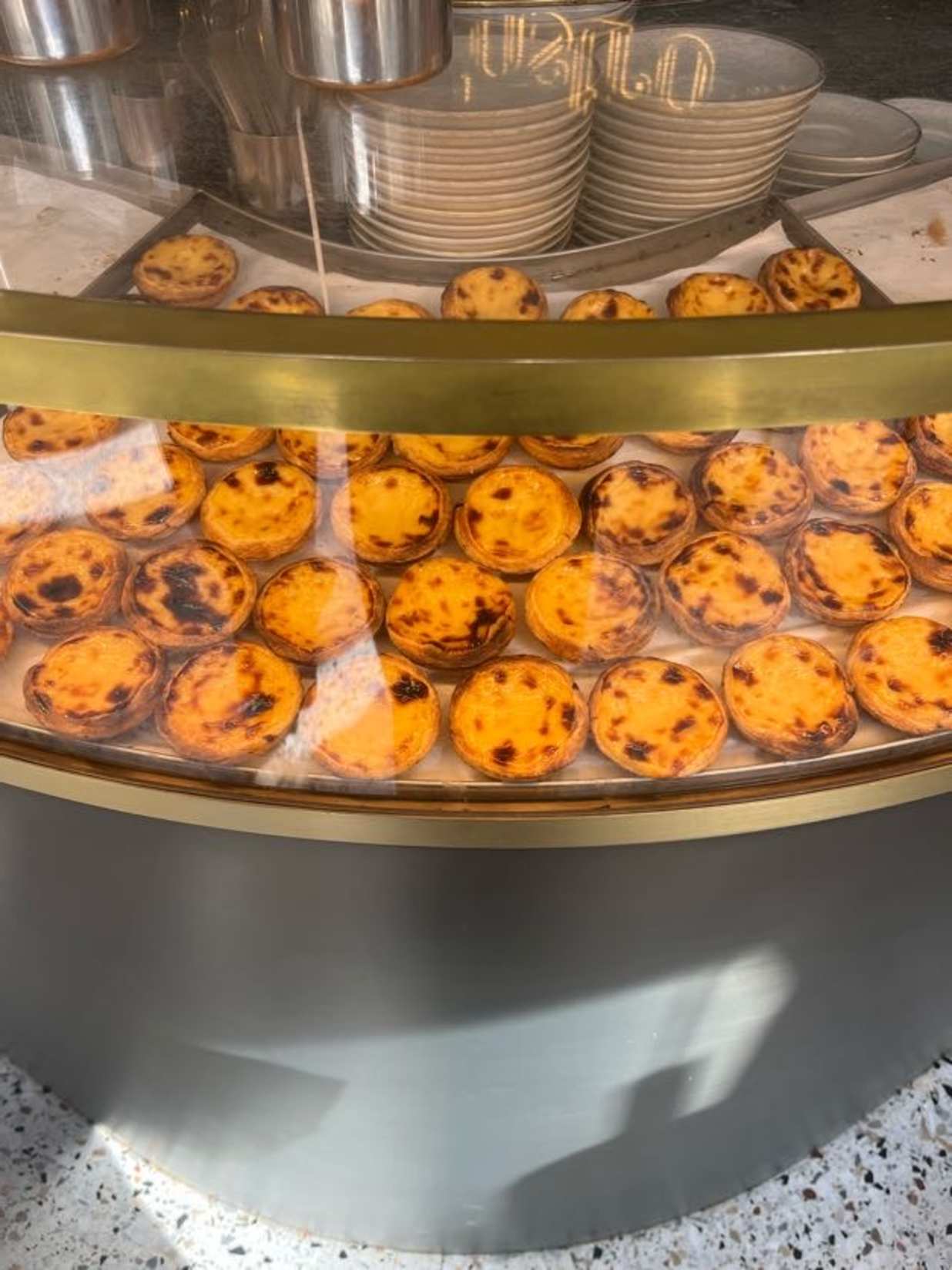
Pastel de Nata: These iconic custard tarts are everywhere, but look for a confeitaria where they are served warm- a dusting of cinnamon and powdered sugar is also mandatory.
The Francesinha: This is Porto’s signature dish. It is a hearty sandwich layered with several types of meat, covered in melted cheese, and bathed in a secret spicy beer-and-tomato sauce. It’s a "once-in-a-lifetime" meal- mostly because your doctor might not let you have it twice!
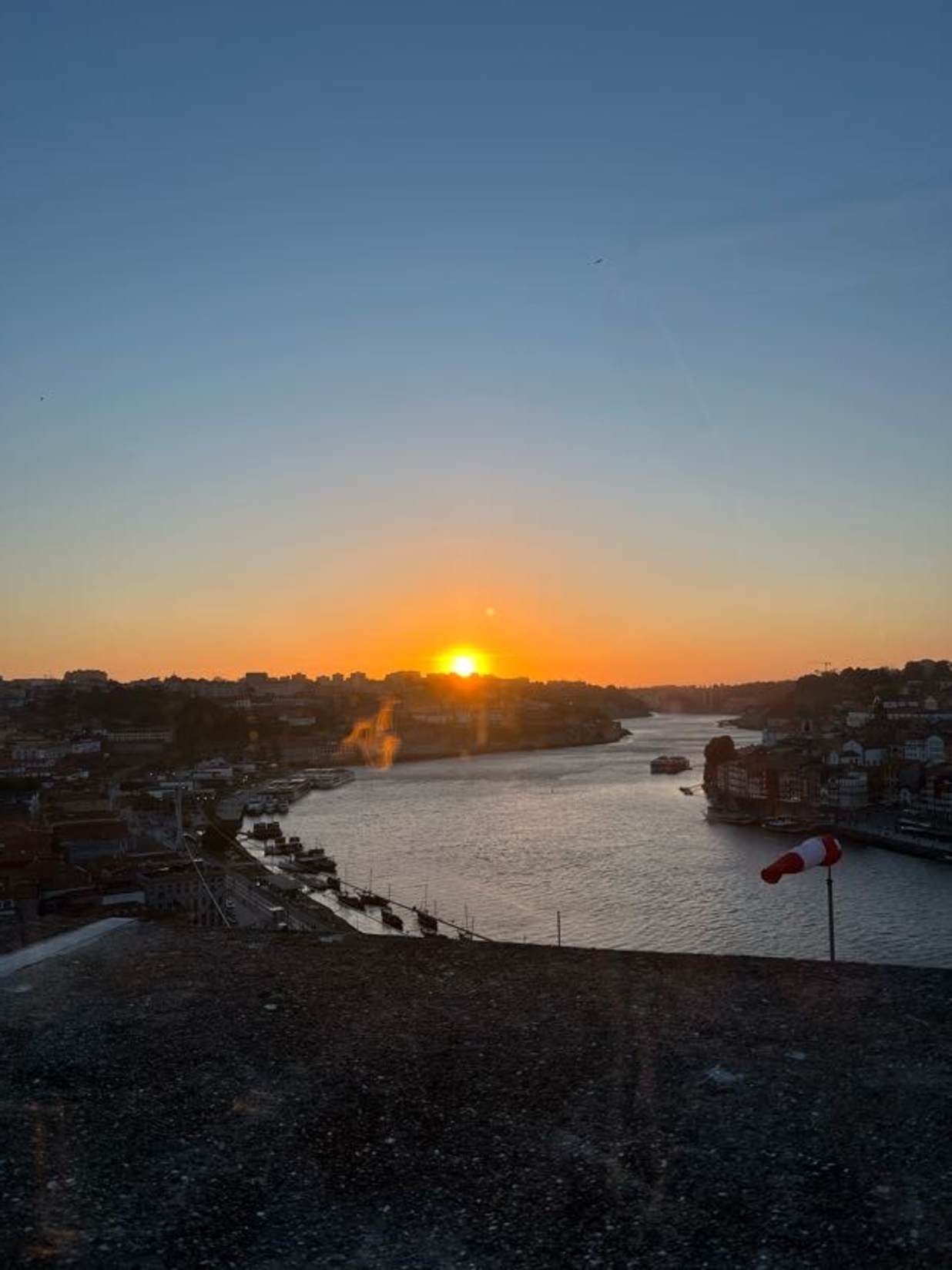
Golden Hour: Sunset at Jardim do Morro
For the most magical moment of your cruise, make your way to Jardim do Morro in Gaia just before sunset. This hilltop park sits right at the exit of the bridge’s top level.
As the sun begins to dip towards the Atlantic Ocean, locals and travellers alike gather in their masses on the grass. Street musicians often play as the sky turns shades of violet and orange, casting a golden glow over the Ribeira’s colourful houses.
It is, quite simply, one of the best sunset spots in all of Europe.
Top Tip!
Grab a drink and a bite to eat from one of the takeaway vendors dotted around Jardim do Morro for the perfect sunset picnic!
Landmarks and Churches: The Golden Heart of Porto
Porto is a city of granite, but inside its churches, you’ll find a city of gold.
São Bento Station
Even if you aren't catching a train, step inside this station’s sensational atrium. It is decorated with approximately 20,000 azulejo tiles that depict significant moments in Portuguese history, and is widely considered one of the most beautiful railway stations in the world.
Torre dos Clérigos
This Baroque bell tower is the city’s tallest point. If you can handle the 225 steps, the 360-degree view from the top is the best way to orient yourself.

Igreja de São Francisco
Don't let the Gothic exterior fool you. The interior is a masterpiece of Baroque "talha dourada" (gilded woodcarving). It is estimated that over 300kg of gold dust was used to coat the ornate carvings inside.
Livraria Lello
Often cited as an inspiration for the Harry Potter series, this neo-Gothic bookstore features a stunning crimson staircase and a stained-glass ceiling.
Note: You usually need to book a timed entry ticket online in advance.

Getting Around: Your Transport Options
While Porto is best explored on foot to find the hidden gems, its hilly nature means you’ll likely want to use the excellent transport network at some point.
The Metro: Porto’s Metro system is clean, modern, and very easy to navigate. The Yellow Line (Line D) is particularly useful for cruise passengers as it stops at 'São Bento' (city centre) and 'Jardim do Morro' (top of the bridge/Gaia).
River Taxis: If you’re at the water level and want to get to the other side without walking the bridge, look for the small "Menina do Rio" boats. They provide a quick, scenic shuttle service between the two quays.
Taxis and Rideshares: Uber and Bolt are very affordable in Porto and are great for reaching the higher parts of the city if you’ve spent the afternoon tasting wine in Gaia.
Vintage Trams: For a hit of nostalgia, take Tram 1 from the Infante stop. It follows the river all the way to Foz do Douro, where the river meets the Atlantic. It’s a bumpy, charming ride in a polished wood carriage.

Popular River Cruise Lines Sailing to Porto
Finding the right ship is just as important as the destination itself. Because the Douro River is unique, with its narrow channels and dramatic locks, the ships that sail here are custom-built to be smaller and more agile than those on the Rhine or Danube.
This creates a wonderfully intimate atmosphere where you can really get to know your fellow travellers and the attentive crew.

At Cruise.co.uk, you’ll find a curated selection of great river cruise deals from the world’s leading lines, each offering a slightly different way to experience the "River of Gold."
Here are some of the most popular operators and the ships you can expect to call home during your stay in Porto:
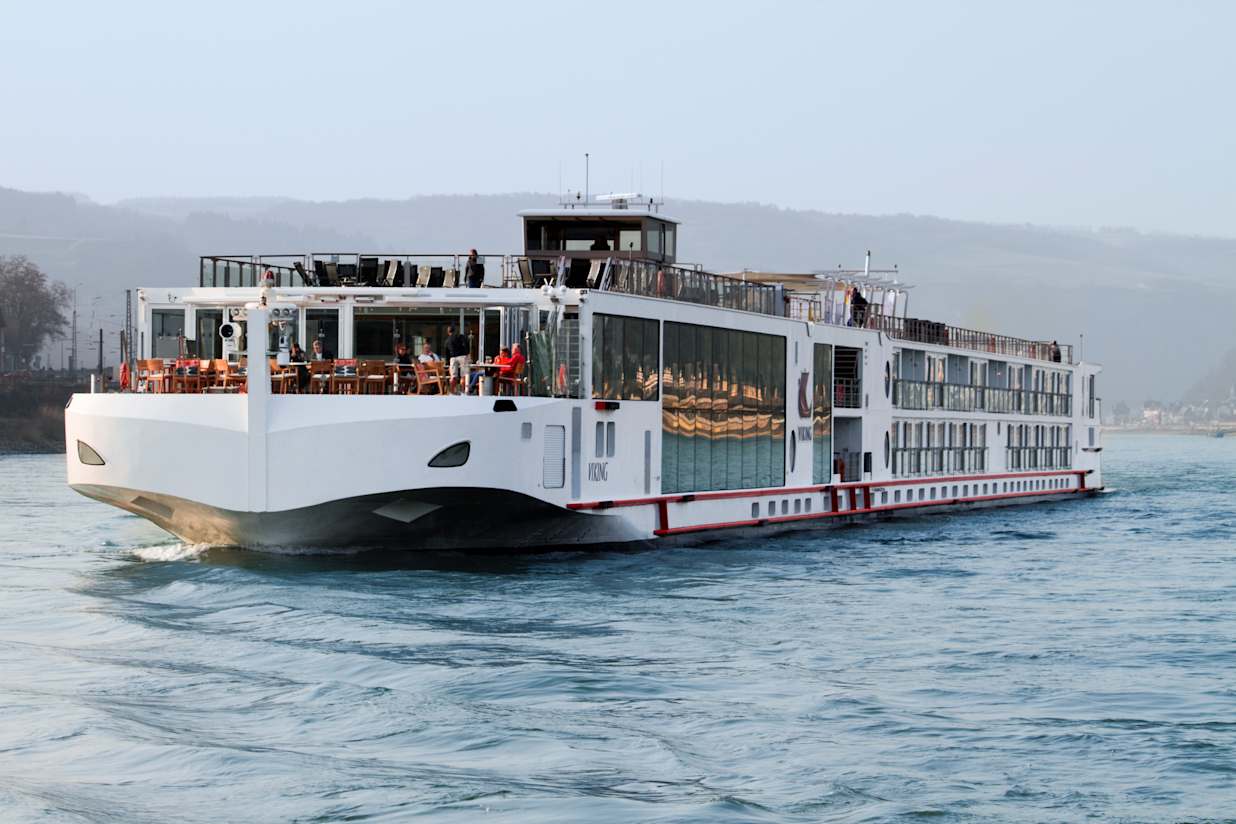
Viking River Cruises
Viking is a household name for a reason. Their Douro fleet consists of custom-built ships that are smaller versions of their famous "Longships," specifically designed to navigate the Douro's locks while maintaining that signature Scandinavian chic.
The Ships: Look for the Viking Torgil, Viking Helgrim, and Viking Osfrid.
The Experience: Expect clean lines, floor-to-ceiling windows, and the popular Aquavit Terrace- an al-fresco space perfect for watching the Porto skyline fade into the distance as you begin your journey upstream.
Emerald Cruises
Emerald Cruises offers a contemporary, "Star-Ship" experience that feels like a boutique hotel on the water. They provide an excellent balance of value and inclusions.
The Ship: Emerald Radiance was purpose-built for this river.
The Experience: One of the highlights is the indoor-outdoor terrace at the aft of the ship, providing 270-degree views of the terraced vineyards. Their "EmeraldPLUS" programme often includes local Fado performances or traditional Portuguese tile-painting workshops right on the ship.

Riviera Travel
As a favourite for UK-based cruisers, Riviera Travel offers a more traditional and exceptionally well-priced way to see the Douro. Their ships are elegant and understated.
The Ships: MS Douro Elegance and MS Douro Splendour.
The Experience: These ships accommodate just over 120 guests, making for a very sociable environment. Riviera often includes guided tours of Porto’s most famous landmarks as part of the cruise price, making it a hassle-free way to explore.

Frequently Asked Questions: Porto
Is Porto walkable for cruise passengers?
Yes, the historic centre is compact. However, it is very hilly with many stairs and cobblestones. Comfortable shoes are a non-negotiable!
How do I get from the ocean cruise terminal to the city centre?
Most large ocean cruises dock at the Porto Cruise Terminal in Leixões (Matosinhos). You can take a taxi (approx. 15-20 mins) or the Metro (Line A) from 'Matosinhos Sul' directly to 'Trindade' in the city centre.
Do I need to book Port cellar tours in advance?
Yes. During the cruise season, the most popular lodges sell out days in advance. Book online to ensure you get a tour in your preferred language.
What is the best view of the city?
For a high-altitude view, go to the top of the Clérigos Tower. For a view of the city skyline, including the bridge, Jardim do Morro is unbeatable.
Is Porto expensive for food and drink?
Porto is very budget-friendly. You can find a local lunch (Prato do Dia) including wine and coffee for under €12-€15 in many backstreet tascas.
What are the best souvenirs to buy?
Look for high-quality cork products (purses, hats, coasters), hand-painted ceramic tiles, and, of course, a bottle of LBV (Late Bottled Vintage) Port.
Is one day enough to see Porto?
One day allows you to see the main sights, walk the bridge, and visit a cellar. However, Porto’s charm lies in its slow pace, so you’ll likely want to return!
Can I use my credit card everywhere?
Most shops and restaurants in the city centre accept cards, but it’s always wise to carry a small amount of Euro cash for traditional bakeries or small souvenir stalls.
Is English widely spoken?
Very. Portugal has a high level of English proficiency, especially in Porto and Lisbon. You will have no trouble communicating in shops, restaurants, or on transport.
What is the weather like in Porto?
Porto is milder than Lisbon but can be misty. It’s often sunny, but a light breeze from the Atlantic is common, so a light jacket is useful even in summer.
Author: Emily Barker
Role: Cruise Content Editor
Why book with Cruise.co.uk?
The cruise experts
- Established in 1984
- Your own dedicated expert cruise consultant
- Unrivalled cruise knowledge and unbiased advice
- Personal tailor-made service
Best price guarantee
- Early bird access to the best offers
- No hidden extras
- Best price reassurance with our Price Match Guarantee
- Low deposits and flexible payment options
Widest range of cruises
- Easy to find all the latest deals
- Exclusive range of curated Cruise & Stay holidays
- Choose Tailor-made or Bucket list Cruise & Stay Collections
- Escorted Tours Available
Book with confidence
- UK-based company
- Award-winning service
- Our customers have rated us 5‑star on Trustpilot
- ABTA / ATOL protected for your peace of mind
Get help from people who love to cruise
Opening hours
| Mon - Sat | 9am - 10pm |
|---|---|
| Sun | 10am - 9pm |
Sign up for our newsletter
For further details, please read our privacy policy





Registered Office: Grosvenor House, Prospect Hill, Redditch, B97 4DL, UK Company Reg Number: 01827977 © 2026 Cruise.co.uk. All Rights Reserved