
How Cruisers Are Seeing The Solar Eclipse At Sea
Posted on 6th Aug, 2026
Unrivalled Viewing Position: Combine open-ocean mobility to dodge cloud cover with clear 360-degree horizon views for the 2026 eclipse.
Tailored Onboard Experiences: Explore top sailings across British fly-free, premium, and ultra-luxury lines featuring expert astronomers and themed galas.
Future Celestial Sailings: Prepare for upcoming astronomical milestones through 2027 and 2028 before these high-demand voyages sell out.
On Wednesday, 12th August 2026, one of nature’s most awe-inspiring phenomena will unfold as a total solar eclipse sweeps across the Northern Hemisphere.
For the first time in over a quarter of a century, the moon’s shadow will plunge parts of Europe, the North Atlantic, and the Arctic into daytime twilight.
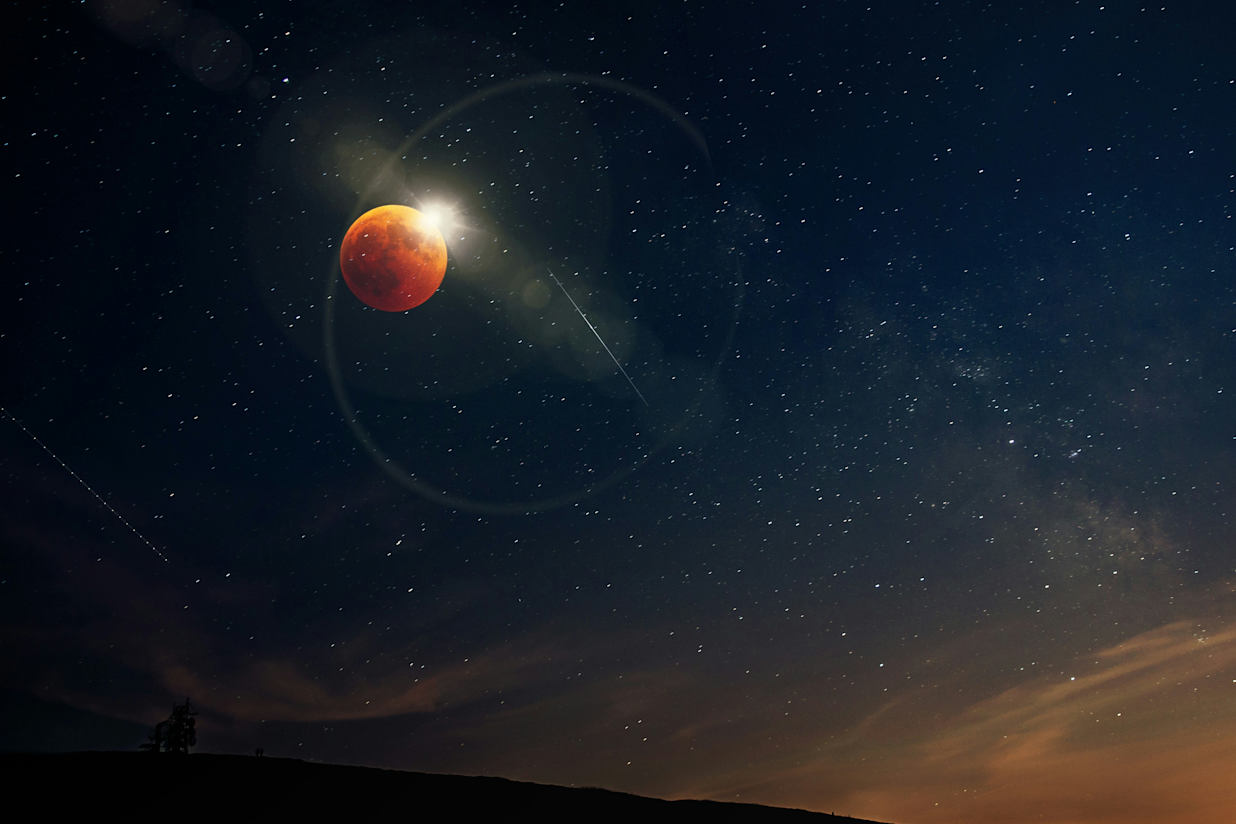
While land-based skygazers struggle with motorway traffic gridlock, fully booked hotels, and localised cloud cover that can ruin a once-in-a-lifetime moment, a growing legion of smart travellers is heading for the open ocean.
From no-fly UK sailings to ultra-luxury Mediterranean and Arctic voyages, here is how cruisers are securing front-row seats to watch the sun disappear over the sea.

When & Where: The 2026 Path of Totality
The narrow band of totality, where the moon completely obscures the sun's surface, begins near the North Pole before tracking over eastern Greenland, western Iceland, and the North Atlantic Ocean. It then sweeps across northern Spain and the Balearic Islands before concluding at sunset over the Mediterranean Sea.

Arctic & North Atlantic Waters
Positioned off the coasts of Greenland and Iceland (including Ísafjörður and Reykjavík), ships in this region will experience a midday, high-altitude eclipse set against dramatic volcanic landscapes and glaciers.
The Iberian Peninsula & Bay of Biscay
Vessels sailing off the northern coast of Spain near La Coruña, Vigo, and El Ferrol will witness totality during the late afternoon, with the sun positioned lower in the sky over open water.
The Western Mediterranean
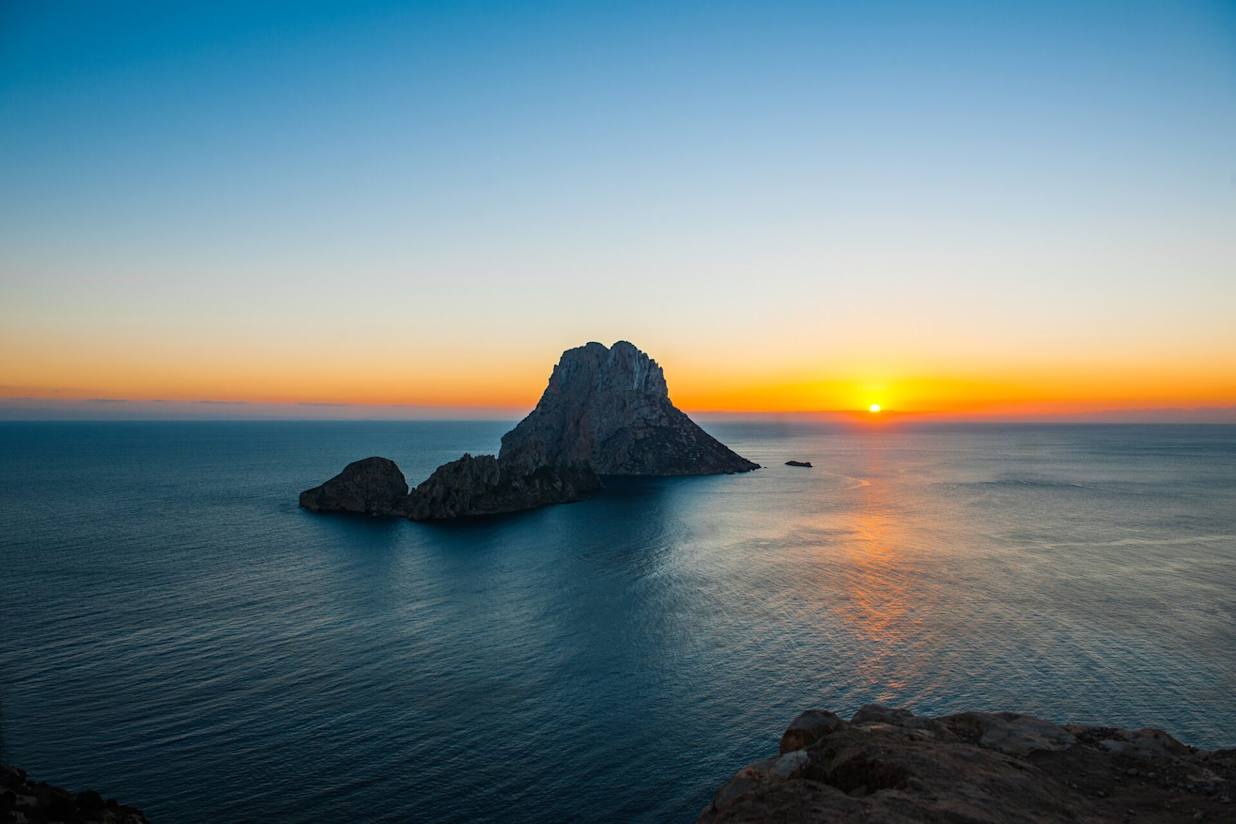
Ships positioned around Palma de Mallorca, Ibiza, and the Spanish coast will catch an early-evening eclipse, offering a dramatic view of totality low on the horizon near sunset.
Why Seeing the Eclipse on a Cruise Beats Being on Land
Watching a solar eclipse from the teak deck of a cruise ship offers several distinct advantages over terrestrial viewing spots:
1. Cloud-Dodging Sky Mobility
The biggest threat to any astronomical event is cloud cover. Land observers are locked into a single location regardless of weather shifts. In contrast, cruise captains monitor high-resolution satellite weather forecasts in real time. If a bank of fog or cloud threatens the view, the ship can adjust course by a few miles to manoeuvre into a pocket of clear, blue sky right before totality hits.

2. Unobstructed 360-Degree Ocean Horizons
Offshore, there are no tall city buildings, mountain peaks, or power lines obscuring the sky. Passengers enjoy a completely open 360-degree horizon where they can witness the moon's dark shadow rushing across the sea at supersonic speed.

3. All-Inclusive Luxury & Stress-Free Viewing
Rather than waiting for hours in a crowded public park or dusty field, cruisers relax in style. Your private veranda, infinity pool, luxury lounges, and fine dining restaurants travel right alongside you, turning an event that lasts a few minutes into an unforgettable 10-to-14-day holiday.

4. Onboard Astronomy Experts & Safety Included
Cruise lines hosting dedicated eclipse sailings bring specialised solar viewing equipment and world-renowned experts on board. Passengers receive complimentary ISO-certified solar viewing glasses, step-by-step photography guidance, and insight from astronomers and space agency veterans throughout the journey.

Top Cruise Lines Offering 2026 Solar Eclipse Sailings
To help you find the right voyage, eclipse sailings are categorised below by cruise style, ranging from British no-fly favourites to global premium lines and ultra-luxury boutique vessels.
P&O Cruises
Ventura: Departs Southampton on a 14-night Spain and Portugal voyage, positioning off El Ferrol, Spain, for the early-evening eclipse.
Arcadia: Departs Southampton on a 16-night voyage to Iceland, catching totality over northern waters.

Cunard
Queen Anne: Departs Southampton on a 7-night Spanish voyage positioned off La Coruña during the afternoon shadow.
Queen Mary 2: Departs Southampton on a 14-night Norwegian Fjords and Iceland journey, docked in Reykjavík for an overnight stay during the event.
Queen Victoria: Sails a Western Mediterranean itinerary departing from Civitavecchia (Rome), positioned off Tarragona, Spain.

Fred. Olsen Cruise Lines
Borealis: Departs Southampton on a 10-night Northern Spain eclipse cruise featuring guest experts from Go Stargazing.
Balmoral: Departs Rosyth and Newcastle on a 13-night "Wonders of Iceland" eclipse sailing.

Ambassador Cruise Line
Ambition: Departs Dundee for Greenland and Iceland, combining solar eclipse viewing with prime observation of the annual Perseid meteor shower.

Celebrity Cruises
Celebrity Apex: Sailing a 14-night Iberian itinerary roundtrip from Southampton, Celebrity Apex will position off the coast of La Coruña, Spain.
Celebrity Silhouette: Sailing a 7-night roundtrip voyage from Reykjavík, exploring Ísafjörður before positioning in open Arctic waters.

Holland America Line
Nieuw Statendam: A 28-day "Legendary Solar Eclipse" voyage departing roundtrip from Dover on 24th July 2026, positioning off Iceland with Royal Astronomical Society of Canada speaker Tom Vassos.
Oosterdam: A 13-day Mediterranean voyage departing Lisbon for Athens, positioning off Spain with astrophysics professor Dr. Adam Burgasser.
Zuiderdam: A 35-day "Voyage of the Vikings" departing roundtrip from Boston, viewing totality off Iceland with space physics professor Meers Oppenheim.

Virgin Voyages
Valiant Lady: Departs Portsmouth on a 15-night UK, Ireland, and Iceland voyage, catching totality near the Arctic Circle.
Scarlet Lady: A 12-night Mediterranean voyage departing Barcelona, positioning near Ibiza for a sunset eclipse party complete with rooftop stargazing yoga.

Princess Cruises
Sky Princess: Departs Southampton on a 14-night Mediterranean voyage positioning off the coast of Spain.
Enchanted Princess & Sun Princess: Mediterranean sailings departing from Rome, Barcelona, and Athens, featuring dedicated top-deck observation events.

Seabourn
Seabourn Ovation: A 14-day "West Ireland Gems & Solar Eclipse" voyage departing Dover for Reykjavík on 8th August 2026, featuring Fellow of the Royal Astronomical Society Jane A. Green.

Regent Seven Seas Cruises
Seven Seas Mariner: All-inclusive sailing departing 31st July 2026 from Southampton to Copenhagen, featuring expert commentary and open-air deck dinners.
Seven Seas Voyager: Operating dedicated eclipse itineraries between Reykjavík, Oslo, and Southampton.

Oceania Cruises
Sirena, Vista & Insignia: Oceania has crafted dedicated eclipse itineraries across three of its culinary-focused ships, placing guests in Iceland, Greenland, and the Mediterranean for prime viewing.

Onboard Features & Special Celestial Programmes
Cruising during a solar eclipse is far more than just standing on deck for two minutes. Cruise lines are rolling out immersive, astronomy-focused programmes:
Expert Guest Lecturers: Voyages feature guest speakers including NASA scientists, Royal Astronomical Society fellows, and astrophotographers who deliver engaging talks leading up to eclipse day.
ISO-Certified Viewing Equipment: Every passenger receives complimentary, certified solar eclipse glasses to ensure safe viewing during partial phases.
Top-Deck Galas & Live Commentaries: Ships turn their top decks into observation spaces, complete with live narration over the public address system from resident astronomers as totality nears.
Cosmic Culinary Touches: Expect themed galas, "dark sun" cocktails, solar-system trivia contests, and specialised dessert menus crafted by pastry chefs.

Looking Ahead: Future Astronomical Phenomena at Sea
If you miss the 2026 eclipse or catch the celestial bug, the universe has several more extraordinary phenomena lined up.
The Great Mediterranean Eclipse (2nd August 2027)
This will be one of the longest total solar eclipses of the 21st century, yielding an astonishing 6 minutes and 23 seconds of totality near Egypt and over 4 minutes across the Strait of Gibraltar and Southern Spain. Mediterranean cruise lines and Nile river ships are already preparing dedicated 2027 itineraries along the centreline.

The Australasia Total Solar Eclipse (22nd July 2028)
Sweeping directly across Australia’s wild Kimberley region, Sydney Harbour, and New Zealand, this eclipse offers a magnificent backdrop for luxury expedition ships and South Pacific itineraries.
The Northern Lights (Annual Seasons)
For stargazers who love nighttime phenomena, winter cruises along the coast of Norway or Iceland offer front-row views of the dancing Aurora Borealis away from city light pollution.

Why You Must Plan Ahead for Celestial Voyages
Speciality astronomical cruises are among the fastest-selling theme voyages in the cruise industry. Lines typically release these itineraries 18 to 24 months in advance.
Balcony suites, exclusive suite complexes like The Retreat or Haven, and prime viewing cabins routinely sell out within days of release.
Booking early not only guarantees your spot on the path of totality but also locks in early-bird pricing and flexible deposit terms.

Frequently Asked Questions
When exactly is the total solar eclipse happening in 2026?
The eclipse occurs on Wednesday, 12th August 2026. Depending on your ship's geographic location, totality will occur between mid-afternoon (Iceland and Greenland) and early evening near sunset (Spain and the Mediterranean).
Which British and fly-free cruise lines offer 2026 solar eclipse sailings?
British and fly-free lines departing from UK ports like Southampton, Portsmouth, Dover, and Dundee include P&O Cruises (Ventura, Arcadia), Cunard (Queen Anne, Queen Mary 2), Fred. Olsen (Borealis, Balmoral), Ambassador (Ambition), Celebrity Cruises (Celebrity Apex), Virgin Voyages (Valiant Lady), and Holland America Line (Nieuw Statendam).
Which luxury cruise lines offer 2026 solar eclipse sailings?
Ultra-luxury lines offering dedicated 2026 eclipse sailings include Seabourn (Seabourn Ovation and Seabourn Sojourn), Regent Seven Seas Cruises (Seven Seas Mariner and Seven Seas Voyager), and Oceania Cruises (Sirena, Vista, and Insignia).
How long does totality last at sea?
During the August 2026 event, maximum totality along the central path lasts up to 2 minutes and 18 seconds.
Do cruise ships change course if it is cloudy on eclipse day?
Yes. Unlike land tours, cruise captains use live weather satellite tracking to adjust speed and direction, seeking out clear weather pockets so passengers can observe totality under clear skies.
Are eclipse glasses provided on board?
Yes. Cruise lines running official eclipse voyages provide all passengers with certified ISO safety viewing glasses prior to the start of the event.
Why are most eclipse ships positioned at sea rather than in port?
Positioning in open water gives the captain complete freedom to navigate around local cloud cover and provides passengers with an unobstructed 360-degree ocean horizon free from land obstruction or light pollution.
Can you photograph a solar eclipse from a cruise ship?
Yes. Onboard photography experts frequently offer workshops to help guests configure their camera settings. Handheld solar-filtered lenses or smartphone clip-on solar filters work best, as normal ship motion can make heavy tripod setups less stable.
Are solar eclipse cruises suitable for families with children?
Yes. Family-focused lines like P&O Cruises, Princess Cruises, and Celebrity Cruises offer full youth programmes alongside engaging, educational science activities linked to the eclipse.
How far in advance do solar eclipse cruises sell out?
Celestial theme cruises are among the fastest-selling voyages in the industry. Popular balcony cabins and suite enclaves routinely sell out 12 to 18 months in advance.
Can you see other astronomical events on these sailings?
Yes. Sailings taking place in mid-August 2026 align with the annual Perseid meteor shower peak, giving guests the added bonus of watching shooting stars from dark ocean decks at night.
Author: Naomi Allen
Role: Junior Content Editor
Why book with Cruise.co.uk?
The cruise experts
- Established in 1984
- Your own dedicated expert cruise consultant
- Unrivalled cruise knowledge and unbiased advice
- Personal tailor-made service
Best price guarantee
- Early bird access to the best offers
- No hidden extras
- Best price reassurance with our Price Match Guarantee
- Low deposits and flexible payment options
Widest range of cruises
- Easy to find all the latest deals
- Exclusive range of curated Cruise & Stay holidays
- Choose Tailor-made or Bucket list Cruise & Stay Collections
- Escorted Tours Available
Book with confidence
- UK-based company
- Award-winning service
- Our customers have rated us 5‑star on Trustpilot
- ABTA / ATOL protected for your peace of mind
Get help from people who love to cruise
Opening hours
| Mon - Sat | 9am - 10pm |
|---|---|
| Sun | 10am - 9pm |
Sign up for our newsletter
For further details, please read our privacy policy





Registered Office: Grosvenor House, Prospect Hill, Redditch, B97 4DL, UK Company Reg Number: 01827977 © 2026 Cruise.co.uk. All Rights Reserved