
How Are Cruise Ships Going Greener?
Posted on 27th Sep, 2024
Your guide to eco-conscious cruise policies
Industries worldwide are waking up to the urgency of implementing more sustainable processes in order to avert the climate crisis and protect our planet for future generations. And the cruise industry is no different.
Many cruise ships are no longer the fossil-fuel-heavy mode of travel with a relentless use of disposable plastic. In fact, they are making massive strides forward in environmental care, achieving new green targets and becoming more eco-friendly.
In recent years, lots of major cruise lines have introduced a number of policies and practices to recycle, drive down carbon emissions, and better manage wastewater. So, if your green conscience is questioning whether you should book a cruise holiday, here are four key ways in which some cruise providers are doing their bit for the environment.
1. Fuel emissions
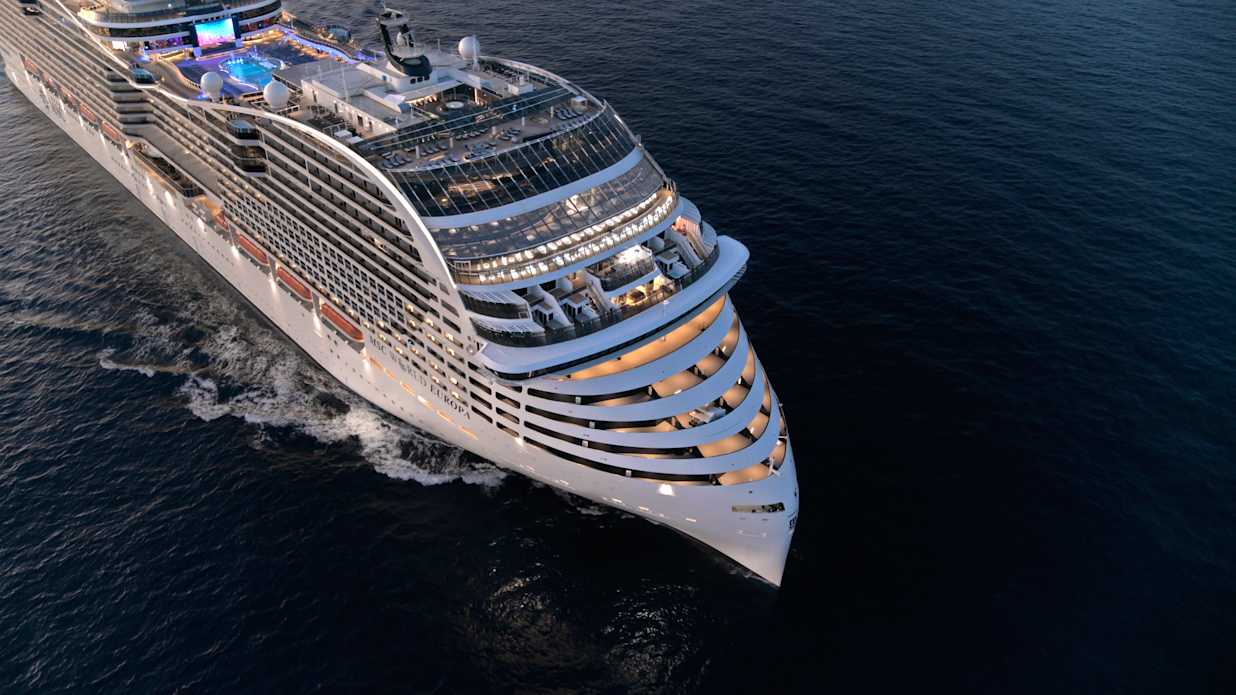
Members of Cruise Lines International Association (CLIA), one of the world’s largest cruise industry trade associations, have committed to pursuing net carbon neutral cruising by 2050, with an agreement of a 40% reduction of carbon emissions by 2030, compared to 2008.
When you consider that the average cruise ship uses around 140-150 tonnes of fuel on a daily basis, making this commitment to a greener use of energy will be hugely beneficial to our environment.
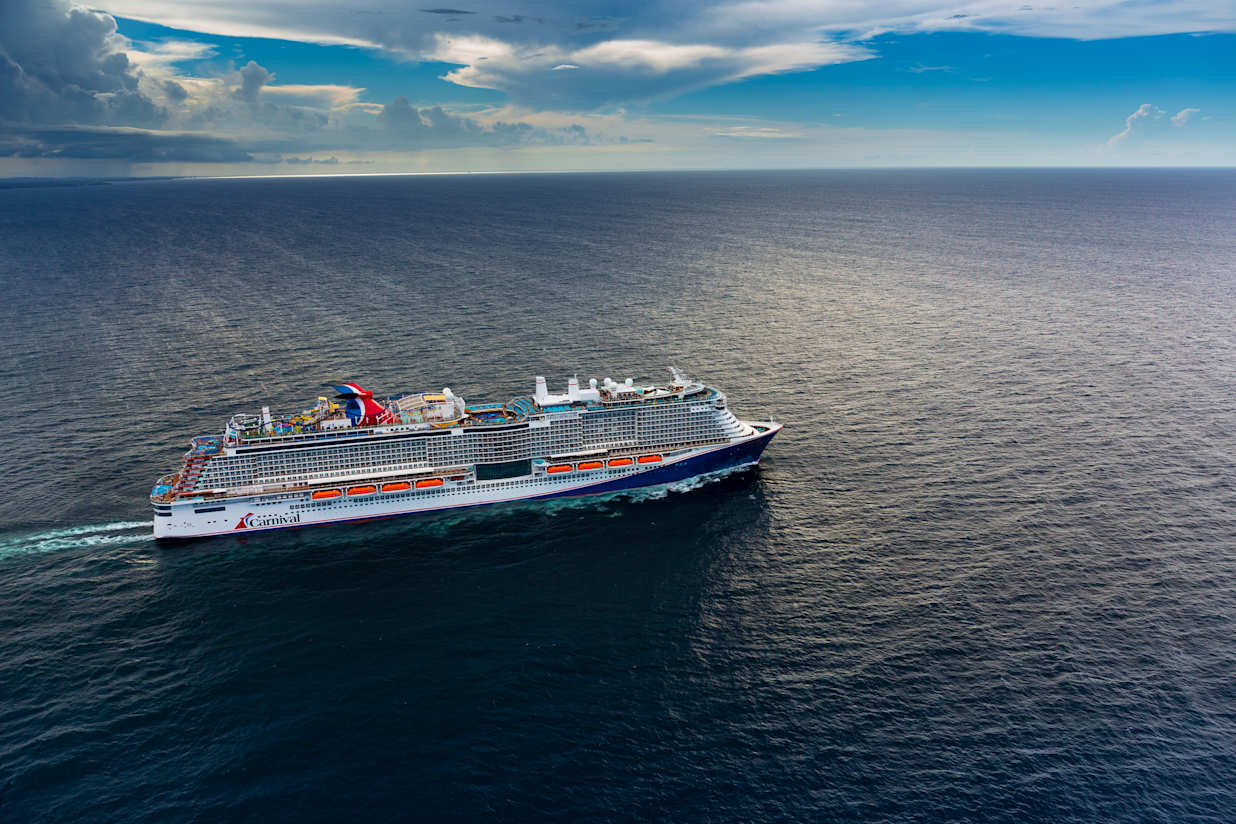
Major new cruise ships are using LNG, including some of the ships in the fleets of P&O Cruises’ Iona, MSC Cruises and Carnival Cruise Line. However, gas is a finite resource, too, leaving other potential options, such as hydrogen, ammonia, biofuels or perhaps nuclear power, which are under current research.
2. Wastewater
Wastewater management is a big environmental concern for cruise ships. With thousands of people onboard, large cruise ships can generate between 15,000-30,000 gallons of wastewater per day!
Cruise providers have to abide by strict international regulations and Cruise Line International Association policies. And now, all new ships must be fitted with an advanced wastewater treatment system, often equivalent to the best shoreside treatment plants. This regulation means that 74% of vessels are now served by these advanced wastewater systems, rising four points since 2020, according to Cruise Lines International Association.
3. Electricity
When you consider cruise ships are effectively floating towns, it’s not surprising that their electricity use has also been under the (green!) spotlight.
According to Cruise Lines International Association, 35% of ships are fitted to operate on shoreside electricity and 82% of new ships on order will be equipped with this system.
Using on-shore electricity means that, while at port, cruise ships can reduce their overall emissions.
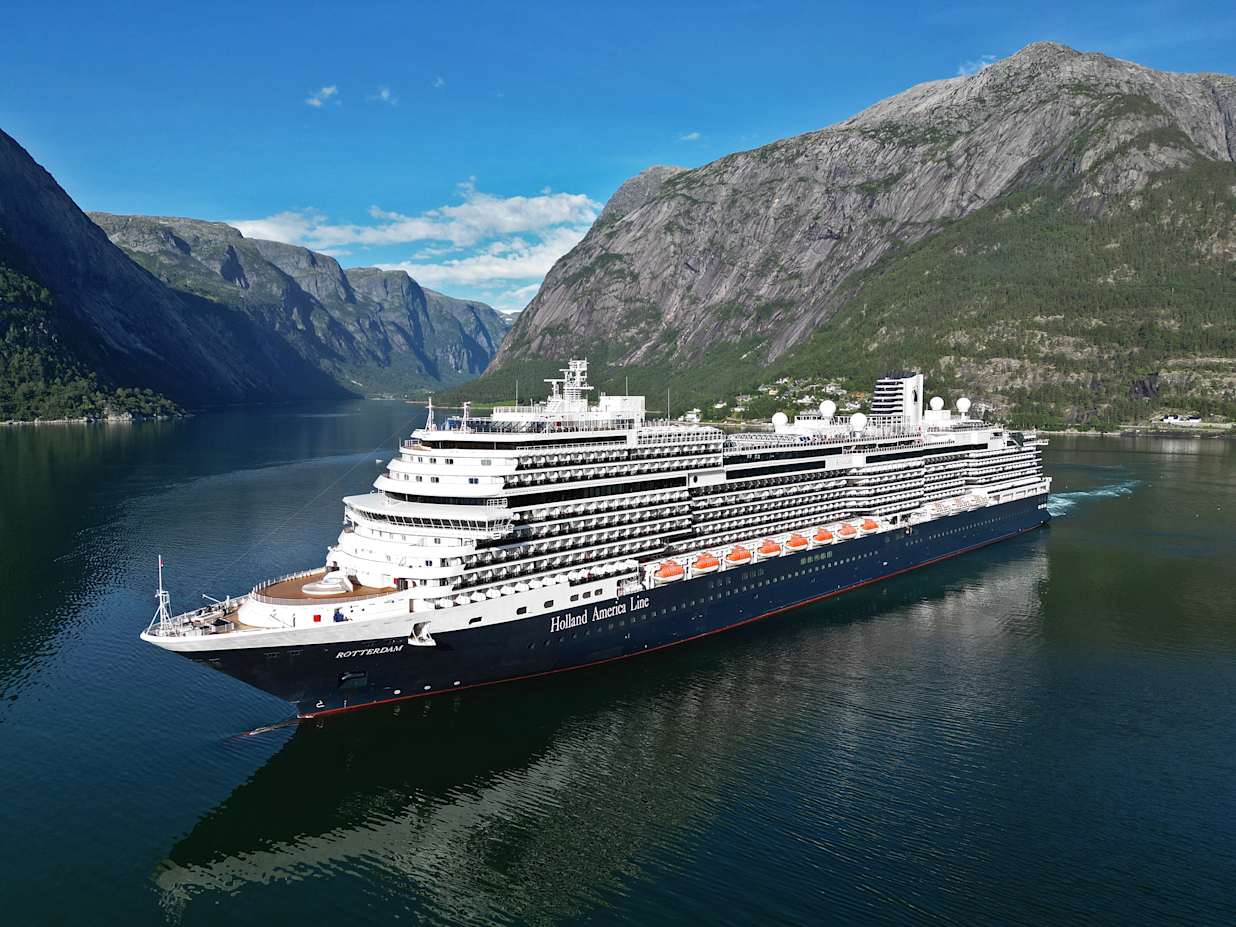
Major cruise ports are also upgrading their shore power systems to accommodate the surge in the future use of the technology. In 2022, port authorities in Rotterdam, in the Netherlands, detailed how it is going to invest in a new shore power system, which aims to have 90% of cruise ships connected to the power system by 2030.

Cruise lines, including Royal Caribbean, Princess Cruises, Celebrity Cruises and more, are working hard to develop more efficient ships. They are analysing every detail to make eco-friendly improvements, from the ship’s design and reducing its drag to using more energy-efficient equipment, recycling hot water to heat passenger cabins, and even looking at your lightbulbs and installing low-energy LED lighting.
4. Recycling
Onboard a cruise ship, straws, coffee creamer packets and water bottles add up to create massive amounts of disposable items. But the news here is positive!
Due to the advanced technology onboard and careful waste management practices, cruise ships actually recycle 60% more than the average person onshore. Some ships can even repurpose 100% of their waste generated onboard.
These percentages amount to 80,000 tons of paper, plastic, aluminium and glass recycled each year.

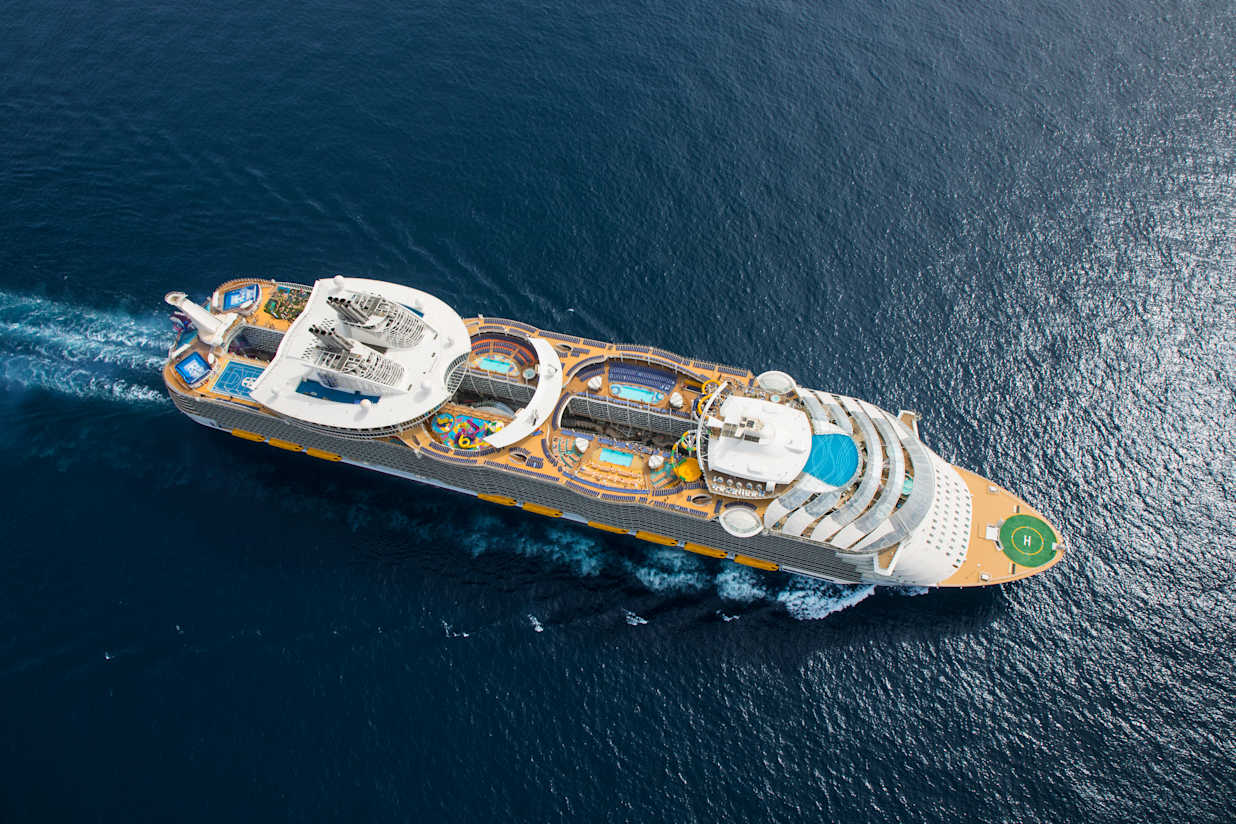
One of the largest cruise ships in the world, Royal Caribbean’s Symphony of the Seas, is itself a zero-landfill vessel, whereby everything onboard is recycled or incinerated. Overall, the green news from cruise ships is good, and the industry is making significant advances and commitments to sustainability.
Many of the major cruise lines, including Carnival Cruise Lines, Royal Caribbean, Celebrity Cruises, MSC Cruises, Norwegian Cruise Lines, Princess Cruises, Disney Cruises and many more have subscribed to major green, environmental commitments set out by leading associations and regulators.
They have also adopted onboard environmental policies, offering sustainability training for crew and implementing strategies to encourage their guests to follow environmentally friendly protocols.
So, as you book your next cruise holiday and dream about sailing towards the horizon, you can be assured that the outlook is green.
Author: Bulletin Editor
Role: Cruise Content Editor
Why book with Cruise.co.uk?
The cruise experts
- Established in 1984
- Your own dedicated expert cruise consultant
- Unrivalled cruise knowledge and unbiased advice
- Personal tailor-made service
Best price guarantee
- Early bird access to the best offers
- No hidden extras
- Best price reassurance with our Price Match Guarantee
- Low deposits and flexible payment options
Widest range of cruises
- Easy to find all the latest deals
- Exclusive range of curated Cruise & Stay holidays
- Choose Tailor-made or Bucket list Cruise & Stay Collections
- Escorted Tours Available
Book with confidence
- UK-based company
- Award-winning service
- Our customers have rated us 5‑star on Trustpilot
- ABTA / ATOL protected for your peace of mind
Get help from people who love to cruise
Opening hours
| Mon - Sat | 9am - 10pm |
|---|---|
| Sun | 10am - 9pm |
Sign up for our newsletter
For further details, please read our privacy policy





Registered Office: Grosvenor House, Prospect Hill, Redditch, B97 4DL, UK Company Reg Number: 01827977 © 2026 Cruise.co.uk. All Rights Reserved